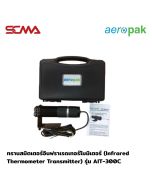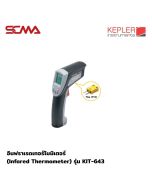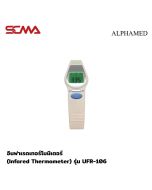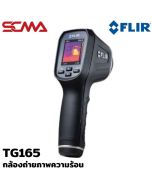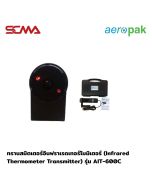
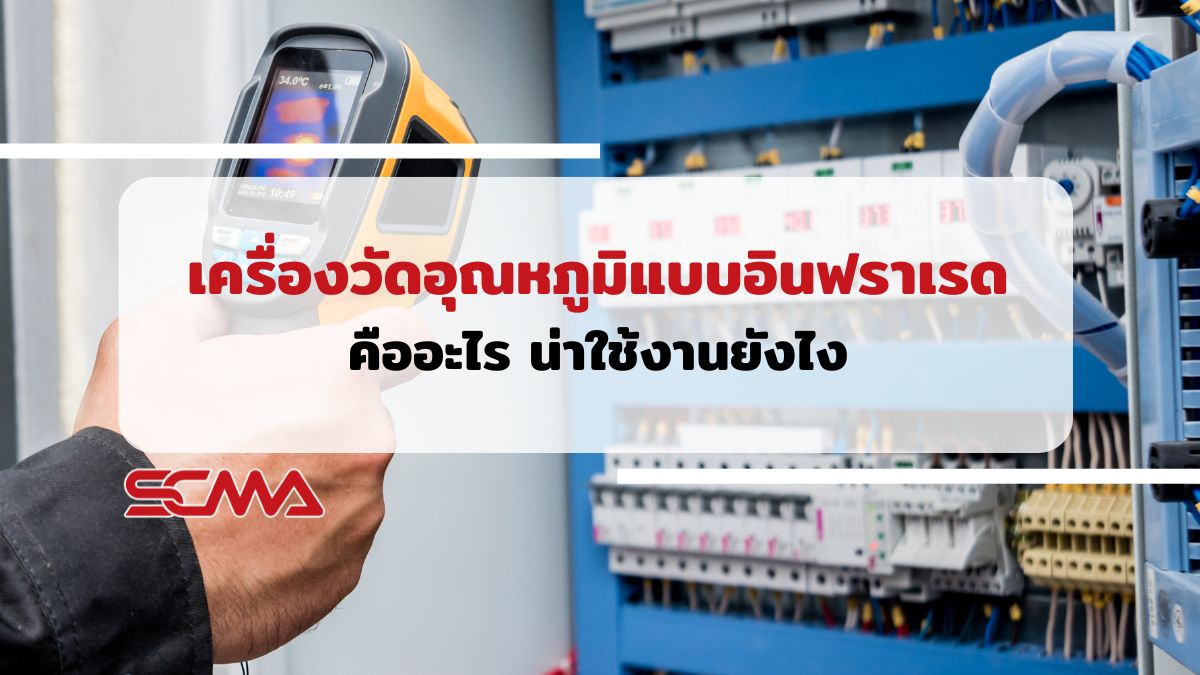
A thermometer, or temperature gauge, is often thought of as a device that comes with a probe for measuring temperature values. This could be a body thermometer used under the tongue or armpit, or a food temperature gauge using a sharp probe to touch food items to ensure heat penetration inside. There are many other options available in today's market, including infrared thermometers which offer convenient use and accurate readings.
What is an Infrared Thermometer?
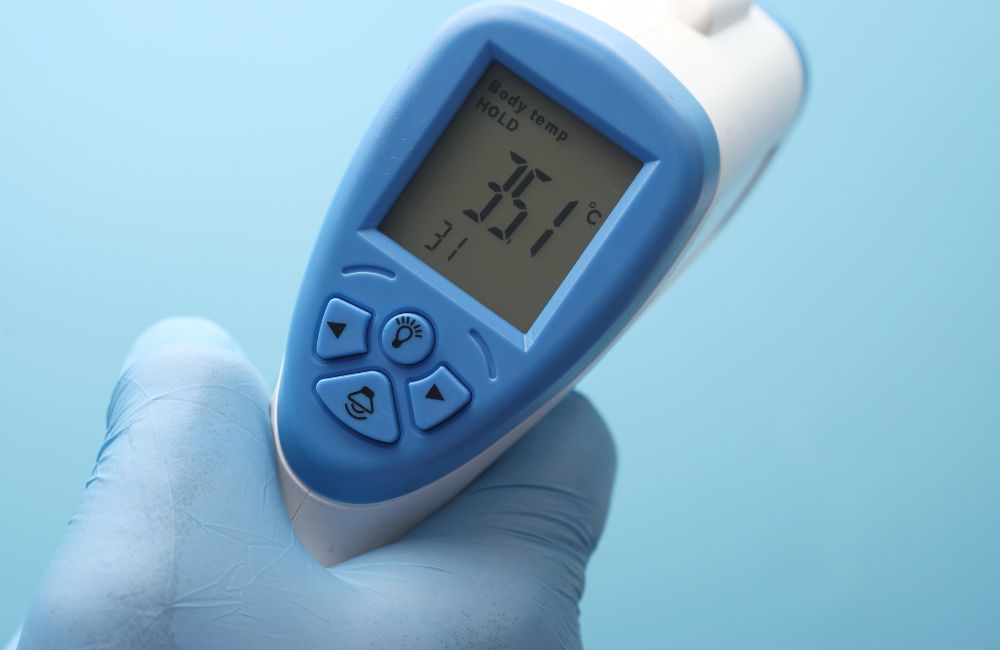
An infrared thermometer (Infrared Thermometer) is a non-contact temperature measuring device that uses an infrared beam. It is used in various industries, such as checking the heat level of a piece of equipment which may have internal issues because the outside of the equipment is hotter than expected. This could be due to abnormal conditions inside the equipment. Therefore, using an infrared thermometer for inspection with its beam provides higher safety compared to direct contact.
How Does an Infrared Thermometer Work?
The operation of an infrared thermometer is relatively simple. The device has a mass that emits a certain amount of energy, which comes out in the form of heat beams. Due to the emission of heat from objects, the difference between the infrared radiation emitted by the object and its surrounding environment can be used to measure the surface temperature of the object.
An IR (Infared) thermometer works by focusing the light coming from an object in the form of infrared radiation, and capturing that light into a detector or Thermopile. The Thermopile captures the infrared radiation which is then converted to heat and electricity. For the amount of electricity generated from the radiation emitted by the measured object, it will be displayed on the thermometer. This entire process happens within seconds, meaning an infrared thermometer has a quick way of measuring various temperatures.
Why Use an Infrared Thermometer?
- The device is highly accurate and can display measurement results comparable to thermometers if used correctly and appropriately for the task at hand.
- It can measure temperature without touching the surface of an object. Simply aim it at the surface of the object you want to measure, and you can take a reading without the measurer or user being harmed or risking exposure to temperatures over 100 degrees Celsius, making it very safe.
- It prevents and avoids contamination, especially in food industries or other work. Since there is no need for contact with the object being measured, there's no worry about contaminants from probes that may not have been cleaned or sterilized properly.
- Long-lasting durability without fear of premature damage or wear and tear.
- The cost of the device is economical and worth the investment, with many models to choose from.
Important Considerations When Using an Infrared Thermometer
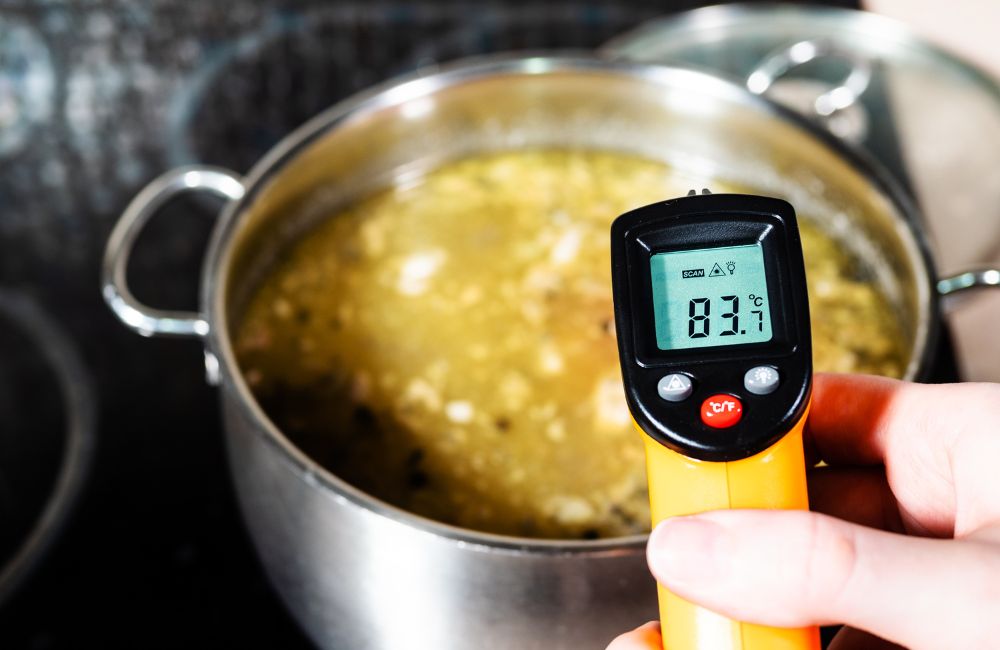
Measurement Range of the Device
When selecting an infrared thermometer, it is important to choose a measurement range that fits within the appropriate temperature range for your intended use. A specific temperature range will yield optimal performance, but measuring outside this range can result in inaccurate readings. Therefore, before choosing an infrared thermometer, carefully consider what you need to measure and the required temperature range.
Distance-to-Spot Ratio (D:S)
The distance-to-spot ratio (D:S) of an infrared thermometer can be 4:1, 8:1, 30:1, or 50:1. A higher ratio allows for measuring from a greater distance while maintaining accuracy and enables the measurement of small objects. For example, with a 30:1 ratio, you can stand 30 inches away from the target and still measure an object as small as one square inch accurately. Using an 8:1 ratio would require standing eight inches away to achieve the same result. Higher distance-to-spot ratios are often found in models with higher temperature ranges, allowing for safe measurement of hot objects.
Caution
When selecting an IR thermometer's measurement range and distance-to-spot ratio, ensure you choose the appropriate options. Once you have your thermometer, carefully read the user manual to understand how to use it properly for accurate measurements.
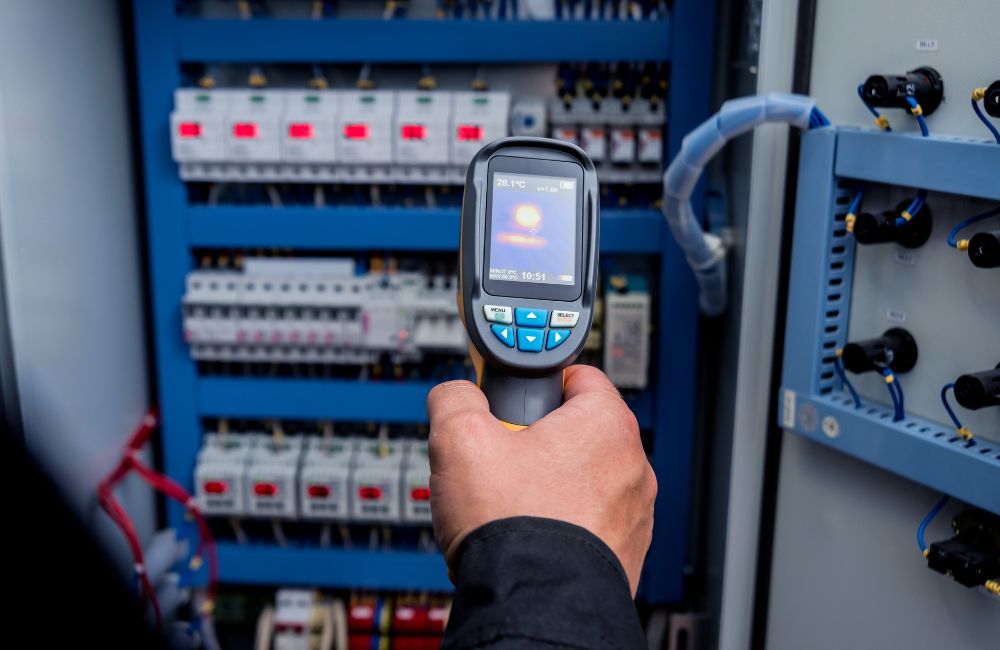
Although an infrared thermometer can only measure surface temperature, it remains a valuable tool for engineers and technicians in various industries. SCMA offers high-quality infrared thermometers from leading brands to ensure optimal performance. Contact us at SCMA for more information.