
When it comes to electrical control equipment in industrial plants, many people probably think of SSR or Solid State Relay first. SSR plays a very important role in automatic control systems due to its outstanding features and efficient performance. In this article, SCMA will introduce you to SSR more deeply, from the meaning, working principles, to selecting usage andSCMA services that are ready to provide close consultation on SSR.
What is an SSR (Solid State Relay)?

An SSR or Solid State Relay is an electronic switch that controls the flow of electrical current, using solid-state technology instead of mechanical contacts in traditional relays. SSR has no moving parts inside, making it faster, more durable, safer, and quieter than traditional relays. It is widely used in automatic control systems requiring high accuracy and efficiency.
What is the history of SSR?
SSR was developed to solve the limitations of traditional relays that use mechanical contacts, which are less precise, prone to wear and tear, and unsuitable for systems requiring high speed and accuracy. By using solid-state technology with no moving parts, SSR has a longer lifespan, operates faster, and is more resistant to interference, making it popular in automatic electrical control systems today.
How SSR Works
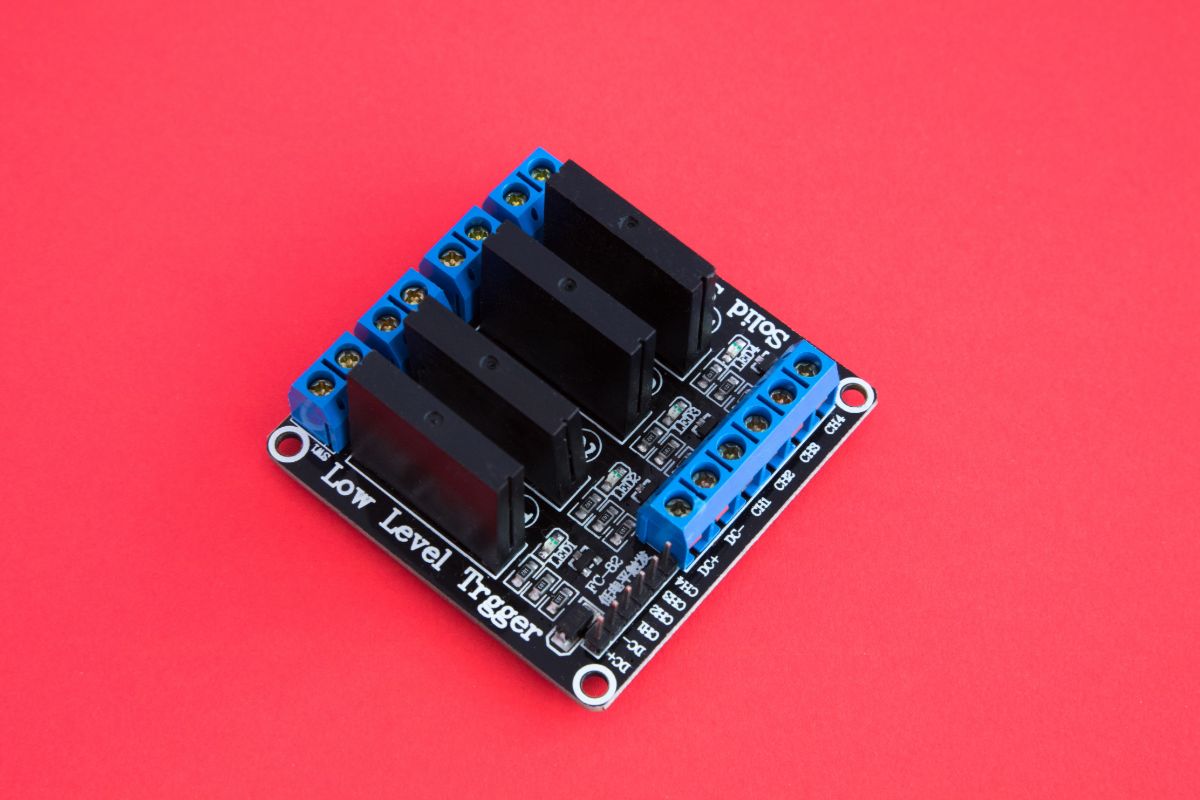
An SSR consists of two main parts, the Input Circuit and the Output Circuit, with an Electrical Isolation section in between. The Input Circuit receives control signals from external sources such as microcontrollers or PLCs, then passes them to the Output Circuit which functions as a switch for turning electrical current on and off through the load. When input signals are received, the SSR opens the circuit to allow electricity to flow, and closes it when there are no input signals. This process occurs without any moving parts inside, making the SSR fast, quiet, and long-lasting.
What Are the Features of an SSR?
SSRs have several notable features:
- Faster and more accurate electrical control compared to traditional relays
- Quiet operation due to the absence of moving parts inside
- Long-lasting due to the lack of wear-prone components
- Low power consumption for signal input control, suitable for direct control from computers or microcontrollers
- Compact size and lightweight design, saving installation space
Moreover, SSRs are highly safe as they do not have contact points that can cause electrical arcs and are resistant to interference signals. This makes them an ideal choice for high-performance automatic control systems.
Applications of SSR (Solid State Relay) in Electrical Control Systems
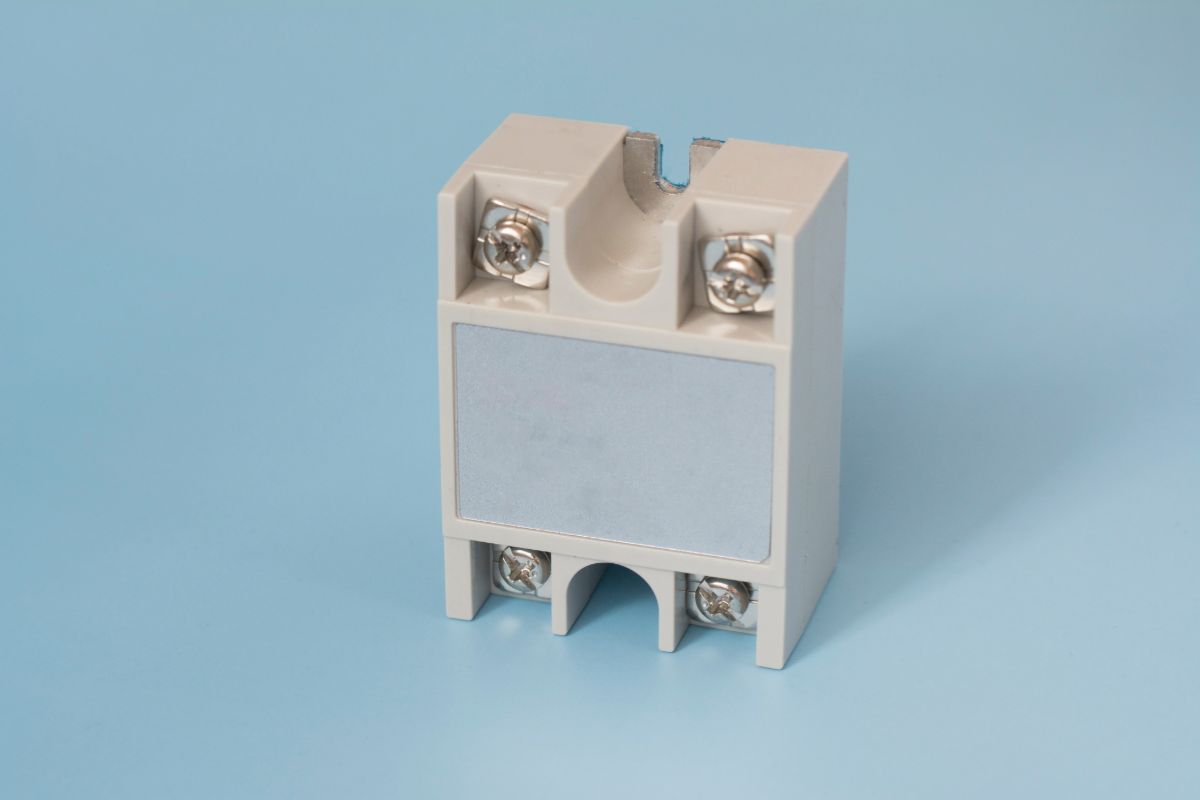
SSRs can be widely applied in electrical control systems, such as:
- Temperature control systems, such as industrial furnaces and heating/cooling units
- Sensor-based detection systems, such as automatic device on/off based on sensor signals
- Systems requiring fast and accurate switching, such as real-time control systems in automated production lines
- Replacing spring-loaded relays in PLC I/O panels to increase speed and reliability
SSRs stand out for their speed, accuracy, and durability, making them top choices for modern automatic control systems.
What are the differences between Solid State Relay and General Relays?
SSR differs from traditional relays in several ways, as follows:
Solid State Relay
- Uses electronic technology instead of mechanical contacts
- Operates quickly, silently, without noise
- Has no moving parts and is therefore resistant to wear and tear
- Uses less energy for circuit control
General Relays
- Use magnetic coils and mechanical contacts
- Produce a clicking sound when the contacts open or close
- Have moving parts that may deteriorate over time with use
- Use relatively more energy in the magnetic coil
With these differences, SSR can operate quickly, accurately, and with higher efficiency than traditional electrical relays. It is suitable for automated systems that require high reliability.
Benefits of Using Solid State Relay
There are numerous advantages to choosing SSR, including:
- High speed and quick response in circuit switching
- Long lifespan, durable, with no wear-prone components
- Compact size, lightweight, saving space in control cabinets
- Silent operation with no noise disturbance to other equipment
- Low power consumption for control, suitable for smart control devices
- High safety, preventing electrical leakage and arc formation well
However, SSR may have some limitations such as sensitivity to voltage spikes, heat dissipation requirements, and relatively higher costs compared to standard relays.
How to Choose a Solid State Relay?
When selecting an SSR for your control system, consider the following:
- Ensure that the load voltage and current match the specifications of the selected SSR.
- Consider the switching speed to ensure it meets system response requirements.
- Check the protection and electrical safety features of the SSR.
- Choose an SSR with operating temperature and cooling system suitable for your installation environment.
- Ensure adequate protection against signal interference, lightning strikes, and voltage spikes.
- Verify that the terminal connections and wiring are convenient for installation.
Additionally, it is advisable to choose an SSR from a reputable brand with good after-sales service and competitive pricing.
If you're interested in SSR (Solid State Relay), you can purchase them from SCMA today!
SCMA is a leading provider of automatic control equipment and industrial control systems in Thailand, ready to offer professional consultation on selection, installation, and maintenance of SSR. We provide various types of SSRs tailored to your needs, along with an expert team of engineers who are available for both pre- and post-sales services to ensure that you achieve the highest performance from your SSR in electrical control systems.
If interested, contact SCMA today to request consultation and select the right SSR for your project.
Summary
SSR or Solid State Relay is an electrical control device that uses solid-state electronics technology instead of mechanical contacts, providing advantages over traditional relays in terms of speed, durability, and reliability. Therefore, it is a top choice for use in automatic control systems. SSRs have diverse applications, including temperature control systems, sensor systems, high-speed on/off switching systems, and PLC I/O systems.
Selecting high-quality and suitable SSRs will enhance the efficiency and reliability of electrical control systems, reduce long-term maintenance issues and costs. For in-depth advice, you can contact SCMA's expert team for consultation services at any time to ensure that you get SSRs that truly meet your application needs.
Frequently Asked Questions
What does SSR mean?
SSR stands for Solid State Relay, which is an electrical control device that uses solid-state electronics technology instead of mechanical contacts. It offers high speed, durability, and reliability.
What are SSRs used for?
SSRs (Solid State Relays) can be used to control the on/off switching of electrical circuits that require high speed and reliability, such as temperature control systems, sensor systems, automated production lines, or PLC I/O systems.
What is an SSR system?
An SSR system is an automatic electrical control system that uses Solid State Relays to switch circuits instead of traditional relays. The SSR system offers high speed, accuracy, and reliability, making it suitable for tasks requiring the highest level of control efficiency.
What are SSRs and CSRs?
SSR and CSR are terms with similar meanings. SSR stands for Solid State Relay, while CSR stands for Conductor State Relay, which is also an electrical control device of the solid-state type like SSR but may have slightly different names.