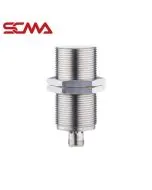
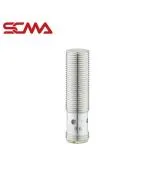
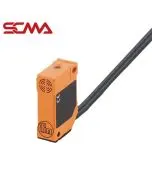
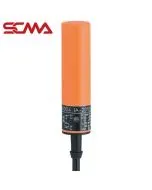
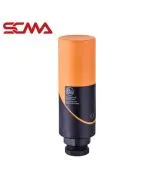
What is a Proximity Switch (Proximity Sensor)? What does it do?
A Proximity Switch is a sensor technology that has revolutionized the industrial sector with its ability to detect objects without physical contact, thereby enhancing production efficiency and reducing wear and tear on equipment. The professional measurement and level control company SCMA provides information about the working principles, types, and methods of selecting sensors that will help elevate your production processes to be more modern and efficient.

What is a Proximity Switch (Proximity Sensor)?
A Proximity Switch, or Proximity Sensor, is an electronic sensor designed to detect the presence of objects without direct physical contact (Non-contact Detection). It can detect various types of materials, such as metal and other substances, within a specified range using principles like electromagnetic induction or changes in electric fields. This type of sensor was developed to overcome the limitations of traditional limit switches that require physical contact, resulting in longer service life, greater durability in diverse environments, and high accuracy in detection. Therefore, it is widely used in manufacturing industries, automotive industries, and various automation systems.
How a Proximity Switch Works
Proximity Switch works by creating an energy field around the sensor. When an object enters the detection range (Sensing Distance: SN), it disrupts this energy field, causing the sensor to convert signal changes into electronic signals and pass them on to the Output section to control system operation. Generally, the detection range is between 50-100 millimeters, depending on key factors such as the size and type of object being detected, as well as the diameter of the sensor. Larger sensors can detect objects at longer distances.
What Does a Proximity Switch Do?
A Proximity Switch serves to detect and measure the distance between the sensor and the target object without direct contact, which is a special feature that makes it highly suitable for use in various environments. This includes detecting the position of workpieces on production lines, counting products, or controlling the movement of automated machinery. Additionally, it can work with various control systems to create quick and accurate responses, such as stopping conveyor belts upon object detection, automatically opening and closing valves, or sending warning signals when approaching dangerous areas. With high reliability in operation and minimal maintenance requirements, it helps reduce production costs and improve overall industrial system efficiency.
Applications of Proximity Switch
Proximity sensors have a wide range of applications in various industries due to their accurate detection capabilities and durability in different environments.
This type of sensor can operate even in conditions with water, oil, or dust, making it suitable for use in various industries.
- Industrial applications:
- Object position detection according to standards - used for accurately determining the position of workpieces in manufacturing processes
- Transportation, logistics, and supply chain - track and control the movement of goods in automated warehouses
- Inspection and quality assurance - check the completeness of products and components
- Process control - control the sequence of machine operations in production lines
- Level detection - measure the level of liquids or materials in tanks without direct contact
- Food processing and manufacturing - used in food production lines that require high cleanliness standards
- Agriculture - control automatic irrigation and fertilizer systems
- Special capabilities by sensor type:
- Capacitive proximity sensors - detect metals, liquids, water, resins, and powders
- Inductive proximity sensors - detect all types of metal including aluminum, copper, brass, and steel
- Magnetic proximity sensors - detect objects with magnetic properties specifically
- Specialized applications:
- Manufacturing industry - check the position and presence of objects in manufacturing processes
- Automated factory systems - control the movement of robots and conveyor systems
- Automotive industry - used in engine control and safety systems
- Automatic air conditioning systems - detect the opening and closing of doors and windows
- Object detection in medical applications - used in high-precision medical equipment
- Use in inspection work with polluted environments - resistant to dust, water, and chemicals
- Conveyor systems - count and control the flow of products
- Robots and automated equipment - provide position data for precise control
- Safety protection systems - warn of approaching dangerous areas

Types of Proximity Switch
How many types are there for Proximity Sensor? Proximity Sensors can be categorized into two main types based on their installation method and the distribution of detection fields. The choice of type depends on the installation requirements and the desired detection area.
1. FLUSH Type (Shielded Type)
This sensor has a shield wire wrapped around the tip, which confines the magnetic or electric field to only in front of the sensor head. It is suitable for flush mounting on metal surfaces without worrying about interference from adjacent objects. Often used where precise point detection is required.
2. NON FLUSH Type (Non-Shielded Type)
This sensor does not have a shield wire at the tip, allowing the magnetic or electric field to spread both in front and on the sides of the sensor head. This results in a longer detection range compared to the FLUSH type in the same model but requires careful installation to avoid metallic objects on the side that could cause false detections. Suitable for applications requiring long-range detection and wider coverage areas.
What are the prominent features of a Proximity Switch?
Proximity Switch has prominent features that make it a better choice than general contact sensors, as it can detect objects at a specified distance without touching them. This helps reduce wear and tear and significantly extends the lifespan of use, while also providing high performance in various environments.
- Non-contact detection - Uses semiconductors to send electronic output signals without any moving parts or contact surfaces that could wear out.
- Durable in environments - Can operate effectively in places with water, oil, dust, or chemicals without affecting detection performance.
- Special models for specific tasks - Models with chemical-resistant fluororesin cases (Chemical-resistant Fluororesin Case).
- Not affected by surface color - Uses physical change detection, so it is not influenced by the color or surface of the object.
- Durable against interference - Can operate effectively even in conditions with optical and acoustic interference.
- Fast response time - Has a much higher response speed than general contact switches.
- Broad operating temperature range - Can be used from -40 to 200°C, covering almost all types of use.
- Can detect through materials - Can detect even when other materials such as boxes, plastic bags, or glass are in the way.
What Should Be Considered When Selecting a Proximity Switch?
Selecting the right proximity switch is crucial for ensuring efficient system operation and maximizing investment value. Users should carefully consider various factors to obtain a sensor that best meets their specific application requirements.
- Type of Output (NPN or PNP) - Choose according to the control system being used
- Transducer and Frequency - For ultrasonic sensors
- IP Rating - Dust and water protection level according to the IP standard
- Protection Level - Full, partial, or no protection
- Purpose of Use - Define specific job requirements
- Structure - Material and form of the sensor
- Detection Range - Closest and farthest distances required
- Type of Target - Type and size of the object to be detected
- Mounting Type (Flush or Non-flush) - According to installation area characteristics
- Action Time - Required response speed
- Detection Accuracy (Accuracy) - Ability to accurately detect in various environments
- Detection Range (Detection Range) - Must be suitable for actual working distance
- Response Time (Response Time) - Important for detecting fast-moving objects
- Environmental Adaptability - Tolerance to temperature, humidity, and chemicals
- Interference Immunity (Interference Immunity) - Protection from interference signals from other sources
If you want to buy Proximity Switch, SCMA is now available for service!
SCMA specializes in selling high-quality Proximity Switches from leading global brands, equipped with a team of experts ready to advise on selecting the appropriate sensors to meet your needs. Whether it's small-scale industrial work or large projects, we offer comprehensive products including both Inductive and Capacitive types along with various accessories. We guarantee quality for every piece of merchandise and provide excellent after-sales service as well as continuous technical support. Contact SCMA today to receive expert advice and special offers for new customers.

Summary
The Proximity Sensor is a crucial technology in the development of automated systems within the industrial sector. With its non-contact detection capability, high durability, and quick response time, it is an ideal choice for various applications. Choosing the right Proximity Switch can enhance production efficiency, reduce maintenance costs, and improve workplace safety. SCMA is ready to be your trusted partner in consulting and providing high-quality sensors that meet your needs. With extensive experience and expertise accumulated over many years, we are committed to supporting your business towards success with modern and reliable technology.
Frequently Asked Questions
What is a Proximity Switch?
A proximity switch is an electronic sensor that can detect the presence of objects without direct contact, using various physical principles for detection. It is suitable for use in industries requiring accuracy and durability, especially in environments with dust, water, or chemicals. Its lifespan is longer than general touch switches because it has no moving parts that wear out from usage.
What does a Proximity Sensor do?
A proximity sensor detects and measures the distance of objects in close range without contact, sending electrical signals to control various systems. It is used for counting, position checking, movement control, and safety prevention during automated production processes. It can work with PLC or other control systems to create highly efficient and accurate automatic systems.
How many types of Proximity Switches are there?
Proximity sensors come in several types? Proximity switches can be categorized into two installation types: Flush (Shielded) and Non-Flush (Non-Shielded). Flush is used for embedded installations, while the operational principle categorization includes two main types: Inductive Sensor for metal detection and Capacitive Sensor for all material detection. Additionally, there are other types such as Magnetic, Ultrasonic, and Photoelectric that can be selected based on job suitability.
How is a Proximity Switch applied?
A proximity switch has various applications, such as counting products on conveyor belts, detecting workpiece positions in CNC machines, using safety systems to detect access to dangerous areas, or controlling automatic door opening and closing. In the food industry, it is used to detect liquid levels in tanks without contact, maintaining cleanliness and preventing contamination.