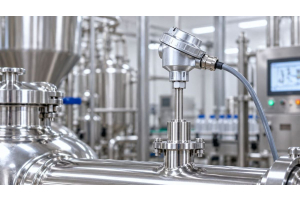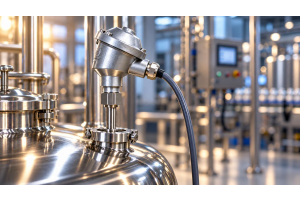

Currently, fine particulate matter PM2.5 is a widespread environmental issue affecting public health, leading to an increased demand for PM 2.5 and PM 10 dust monitors to check air particle levels. A PM 2.5 dust monitor helps us better assess risks and take care of our health.SCMA Company is a leader in the distribution of PM 2.5 dust monitors and other measurement tools related to industrial automation systems, offering high-quality products and expert services.
What is a PM 2.5 Sensor?

A PM 2.5 sensor, or a fine dust particle measuring device, is an instrument used to measure the amount of particulate matter with a diameter of less than 2.5 microns in the air. It can display real-time concentrations of these particles. The PM 2.5 sensor has high accuracy and can be used both indoors and outdoors.
Where Does PM2.5 Come From?
PM2.5 is an air pollutant with a diameter of less than 2.5 microns, which is small enough to easily penetrate the respiratory system. PM2.5 can originate from various sources, both natural and human activities. The main sources of PM2.5 are as follows:
- Combustion of fuel in vehicles such as cars, trucks, motorcycles
- Emissions from industrial processes, factories, and power plants
- Open burning such as waste incineration, agricultural residue burning, forest fires
- Dust from construction activities, material transportation, and unpaved roads or gravel surfaces
- Volcanic ash, forest fires, and sea salt aerosols
- Chemical reactions of air pollutants such as nitrogen oxides and sulfur compounds
What are the benefits of a PM 2.5 Dust Meter?
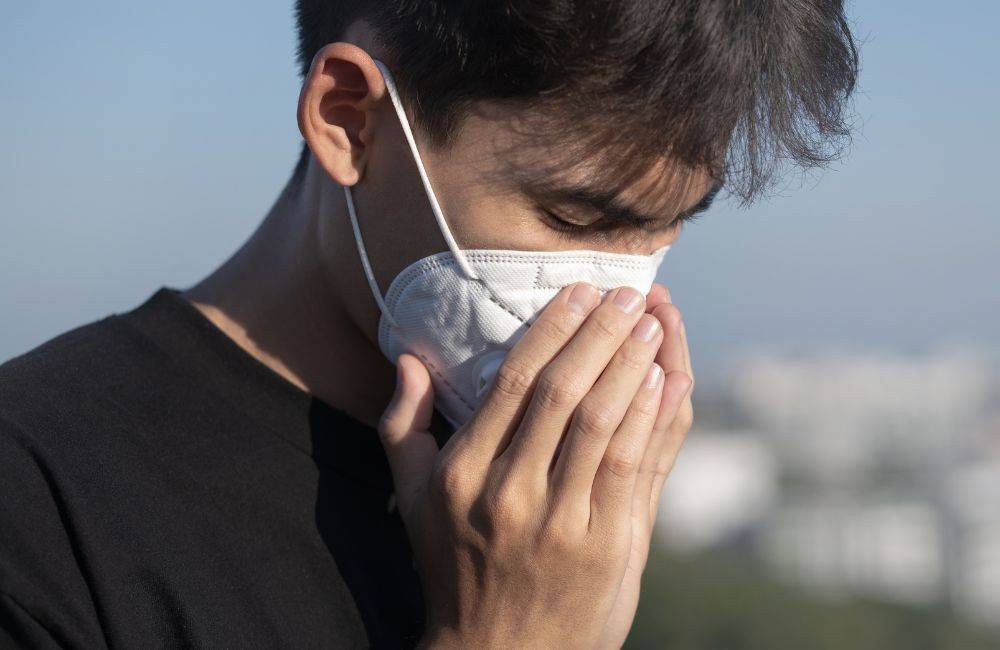
A PM 2.5 dust meter helps us know the level of particulate matter in the air, whether it exceeds standard levels or not, so that we can avoid areas with high dust or use appropriate protective equipment when staying there. Additionally, it aids in tracking long-term trends in dust levels to better assess health risks and plan for prevention.
How does the size of PM2.5 particles affect the body?

Small particles like PM2.5 can penetrate deep into the lower respiratory system and lungs due to their small size. High or prolonged exposure to PM2.5 dust may cause health issues such as respiratory diseases, heart disease, and lung cancer.
How to Use a PM 2.5 Dust Meter

A PM 2.5 dust meter is a device that helps monitor the level of fine particulate matter in the air to assess health risks and provide information for self-protection from dust. The general usage steps are as follows:
- Choose an appropriate location to place the meter, such as inside a home or office, or in outdoor areas where air circulation is good and there are no obstructions.
- Turn on the dust meter and wait for it to clean its sensor, which may take about 1-3 minutes.
- The device will start drawing air into itself and analyzing the amount of dust using Laser Scattering technology.
- PM 2.5 levels will be displayed on the screen, usually in units of micrograms per cubic meter (μg/m³), showing average values over time intervals such as every 1 minute or 5 minutes, or some models may display AQI.
- If the measured value exceeds standards, recheck and assess risks, then adjust behavior accordingly, such as avoiding outdoor activities, wearing a mask, or installing an air purifier.
- Regular maintenance and cleaning of the meter according to the manufacturer's user manual should be performed to ensure accurate measurement performance.
How to Measure PM2.5 Particle Size
PM2.5 measuring tools use an Optical Sensor principle with laser light. When air flows into the device, the laser beam hits dust particles. The sensor detects scattered laser light and processes it to determine the amount of dust. It separates particle sizes into ranges from 0.3 to 10 microns. Specialized dust measurement devices can separate particle sizes down to as small as 0.01 microns or 10 nanometers.
What Can You Do With PM2.5 Size Information?
Once we know the size and quantity of PM2.5 particles, we can further analyze this data, such as studying the source of dust, tracking changes in dust levels over time, analyzing the impact of dust on daily activities and health, leading to planning and improving air quality, as well as protecting oneself from potential harm caused by PM2.5.
How to Choose a PM 2.5 Measuring Device
When selecting a dust measuring device, several factors must be considered:
- Purpose of use such as indoor or outdoor use, portable or fixed installation at measurement points
- Features of the device such as particle size range, accuracy, processing speed, connectivity with other devices
- Additional functions such as temperature and humidity display, carbon dioxide measurement, smartphone connectivity
- Price and after-sales service
It is important to purchase a PM2.5 measuring device from a reputable brand with modern measurement technology, certified standards to ensure high accuracy, long-term usability, and good after-sales service.
If you are interested in PM 2.5 Dust Meters, contact SCMA today!
SCMA is a leading provider of industrial environmental monitoring solutions. We offer high-quality PM 2.5 Dust Meters from top brands, along with a team of experts ready to provide advice on selecting the right dust measurement tools that meet your needs, as well as post-sales services, installation, and close-up training.
For inquiries or additional information about PM 2.5 Dust Meters, you can contact us at SCMA through various channels on our website. We are committed to providing you with the highest quality and standard services so that you can use the PM 2.5 Dust Meter confidently, safely, and efficiently.
Summary
PM 2.5 Dust Meters are crucial tools for monitoring air quality in an era where particulate matter is a major issue. Having a PM 2.5 Dust Meter can help us better assess dust levels and health risks. SCMA offers high-quality PM 2.5 Dust Meters for sale, and we are ready to provide expert advice if you need more information. Contact us today.
Frequently Asked Questions
At what PM 2.5 level should you not run?
If the PM 2.5 dust level is higher than 100 μg/m³, it is not advisable to exercise outdoors as this may lead to excessive inhalation of particles into your lungs, which can be detrimental to health or exacerbate existing conditions. Instead, opt for indoor activities in areas with air filtration.
What amount of PM2.5 dust level is considered very bad?
When using a particulate matter monitor and finding that the PM 2.5 dust level is at or above 201 μg/m³, it is considered to be in an extremely poor condition with significant health impacts. It's advisable to avoid going outside; if necessary, wear an N95 mask to protect against particles.
What should the standard PM 2.5 level be?
According to World Health Organization standards, the average PM 2.5 dust level over a 24-hour period should not exceed 25 μg/m³ and annually it should not exceed 10 μg/m³. In Thailand, the standard for a 24-hour average is set at no more than 50 μg/m³ and an annual average of no more than 25 μg/m³.
Can regular masks protect against PM2.5?
Regular surgical or cloth masks are not effective in filtering out PM 2.5 particles due to their small size. It is recommended to wear an N95 mask, designed specifically for protection against fine particulates, which can significantly reduce the inhalation of PM 2.5 into your respiratory system.