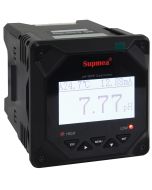
A pH Meter is a crucial tool widely used across various industries. Have you ever wondered why the pH value is important for water quality, food, or even everyday products we use? A pH meter, which measures acidity and alkalinity accurately, provides an essential solution that helps us control and monitor these measurements precisely. This article will introduce you to how it works, its types, and applications in different industries so that you can understand and choose the right one for your needs.
What is a pH Meter?

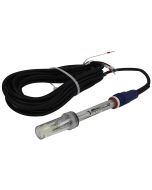
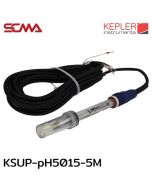
A pH meter or a pH measuring instrument is a scientific tool used to accurately measure the acidity and alkalinity of solutions by detecting hydrogen ion (H+) concentration in the solution, which is displayed as a pH value ranging from 0-14. A pH meter consists of a special glass electrode connected to an electronic unit that displays digital results. This acid-base measuring device must be calibrated with standard buffer solutions before use to ensure accurate measurements.
How Does a pH Meter Work?
The principle of how a pH meter works relies on detecting the voltage difference between two electrodes. When measuring with a pH meter, the glass electrode detects H+ ions and sends electrical signals in millivolts to the pH meter, which processes and converts them into pH values displayed on a digital screen. Modern pH meters have automatic temperature compensation systems, ensuring high measurement accuracy even when the solution's temperature changes. Therefore, pH measuring equipment is an essential tool for quality control in many industries.
What Can a pH Meter Measure?
A pH meter is a device that can measure the acidity or alkalinity of solutions with great precision. The pH meter measures the activity of hydrogen ions and displays the result as a pH value in the range of 0-14. An acid-base meter indicates whether a solution is acidic (pH < 7), neutral (pH = 7), or basic (pH > 7). Measuring pH with a pH measuring device helps us know the ratio of H+ and OH- in the solution, which is crucial for controlling chemical and biological processes. A pH meter can measure pH in water, soil, food, and various solutions. The pH sensor can also be used in conjunction with other sensors to measure additional parameters such as temperature, TDS, or ORP, making a pH meter an extremely useful tool for analyzing the quality of water and solutions.
What are the types of pH Meters?

pH meters come in various types, ranging from portable pen-style pH meters to highly accurate benchtop pH Meters. Each type of pH measuring equipment is designed to meet different usage requirements, whether for field pH measurements, laboratory use, or production processes. Modern pH sensors incorporate advanced technology and can be connected to computers for data logging and analysis.
Pen-Type pH Meter
A pen-type pH meter is a small portable device shaped like a pen, easy to carry around and use. It's ideal for quick field pH measurements. This type of acid-base meter is relatively inexpensive and suitable for beginners or applications that don't require extremely high accuracy. Pen-style pH meters typically run on batteries and feature a small LCD display, allowing for rapid pH readings by simply dipping the probe into the solution.
Field-Use pH Meter
A field-use pH meter is a portable device designed to withstand various environmental conditions. These meters usually have waterproof and shock-resistant features, making them suitable for measuring pH in natural water sources, fish ponds, or agricultural areas. Field-use pH meters offer more comprehensive functions than pen-style models, with higher accuracy and data logging capabilities.
Benchtop pH Meter
A benchtop pH meter is the most accurate and efficient type of pH measuring equipment used in laboratories and research work requiring high precision. These meters feature large displays, can be connected to computers for data analysis, have automatic calibration systems, and can measure pH alongside other parameters. Benchtop pH meters are ideal for analyses that require high accuracy.
pH Controller
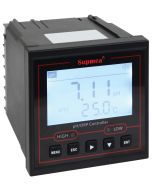
The pH Controller is a device that measures and automatically controls the pH value in production processes. This type of pH Meter continuously monitors the pH level and commands chemical pumps to adjust it within the desired range. This automatic pH control meter is commonly used in water treatment plants, large swimming pools, and industries requiring precise pH control at all times.
pH Meter for Food
pH Meter for food is a pH measuring device specifically designed to measure the pH of water and food products. It features a needle-type probe that can be inserted into solid or semi-solid foods. This type of pH meter is used in the food industry, restaurants, and quality control laboratories. Food pH meters are highly accurate and meet food safety standards, suitable for measuring the pH of meat, fruits, vegetables, and processed products.
Soil pH Meter
Soil pH Meter is a device specifically designed to measure the acidity of soil. It features a robust probe that can be directly inserted into the soil. This type of pH meter is crucial for farmers, aiding in selecting appropriate crops and fertilizer application decisions. Soil pH meters are available in both analog and digital versions; some models also measure moisture and light levels, making them essential tools for modern agriculture.
Why is pH Measurement Important?
pH measurement with a pH Meter is crucial for quality control in various fields. The pH meter helps us understand the acidity or alkalinity that affects the solubility of substances, water quality, and the survival of living organisms. Therefore, the pH Meter is an essential tool for controlling production processes, wastewater treatment, and agriculture. Acid-base measurement devices allow us to adjust environmental conditions appropriately for use, whether it's measuring pH in water for safety, measuring pH in soil for cultivation, or using pH measuring equipment in the food industry to control quality.
How to Use a pH Meter

Using a pH meter is not difficult, but it must be done correctly to ensure accurate measurements. The pH meter must be calibrated before each use and should be properly maintained. A pH measuring device will give correct results when used according to the manufacturer's instructions. Accurate pH measurement requires clean measuring equipment and standard buffer solutions.
- Preparation - Turn on the pH meter and check the battery. Clean the probe with distilled water or deionized water. The pH meter should be at room temperature before use. The pH meter must be calibrated using buffer solutions of pH 4.0 and 7.0, or 7.0 and 10.0, depending on the range of use.
- Measurement - Immerse the pH probe tip into the solution to be measured about 2-3 centimeters. The pH meter will display the result on a digital screen. Wait for approximately 30-60 seconds until the reading stabilizes. Some models of pH meters have an indication signal when the reading is stable.
- Maintenance - After using a pH meter, rinse the probe with distilled water immediately. Store the pH measuring device's probe in storage solution to extend its lifespan. The pH equipment should be recalibrated weekly or according to usage frequency.
- Precautions - Do not use a pH meter to measure solutions with temperatures above 60°C or highly corrosive substances. Measure the pH in stirred solutions for accurate results, and regularly check the probe for cracks or air bubbles.
Applications of pH Meters in Industries
pH meters play a crucial role in various industries. They are essential tools for quality control and safety assurance, used from food production to wastewater treatment. pH measurement devices help enhance the efficiency of manufacturing processes and ensure product quality meets standards.
- Food and Beverage Industry - pH meters are used to control acidity levels during production. These devices check the quality of raw materials and finished products, measuring pH in milk, butter, yogurt, wine, beer, and fruit juices. Drinking water pH testers must be highly accurate for consumer safety, while portable pH pens are used to monitor food quality in kitchens.
- Pharmaceutical Industry - pH meters are critical equipment in drug production. They control pH levels during the synthesis of active substances, ensuring drug stability and high accuracy for efficacy and safety.
- Water Treatment - pH meters are used to check raw water quality and treated water. They help control chemical additions during the flocculation process, prevent pipe corrosion by measuring pH levels, and online pH monitoring equipment tracks pH continuously.
- Environmental Monitoring - pH meters measure water quality in natural sources. They detect pollution and ecological changes by measuring pH levels in rainwater, seawater, rivers, to assess environmental impacts. Portable pH testers are ideal for field surveys.
- Agriculture - Soil pH meters help farmers choose suitable crops and plan fertilizer applications, check water quality for irrigation, control pH levels in hydroponic systems, and are key tools to increase agricultural yields.
- Research and Development - pH meters are basic equipment in research laboratories. They study chemical and biochemical reactions, aid in developing new products, and high-precision pH measuring devices are used for highly accurate research work.
Looking to buy a pH Meter? SCMA is now available!
Proper maintenance of the pH Meter will help extend its lifespan and maintain accuracy.SCMA offers a wide range of pH meters, from portable pen-style pH testers to laboratory benchtop models. We provide pH measuring equipment and standard buffer solutions from leading brands. Our expert team is ready to advise on selecting the right pH meter for your needs, whether it's for water, soil, or food testing. We have all types of pH meters available, along with high-quality pH meters and excellent after-sales service, including calibration services according to standards.
Summary
The pH Meter is a crucial measuring tool for acidity in all industries, from food quality control to wastewater treatment. The pH meter works by measuring electrical potential differences and converting them into easily readable pH values. There are various types of pH meters available to choose from, ranging from portable pen-style testers to automatic acid-base controllers. Proper use and maintenance of the pH measuring equipment will ensure accurate measurements. SCMA is ready to be your trusted partner in quality measurement tools with a wide range of products and excellent services.Contact us today to get advice and select a pH Meter that meets your needs.
Frequently Asked Questions
What is a pH Meter?
A pH meter, also known as a pH Meter, is a scientific instrument used to measure the acidity or alkalinity of solutions by measuring hydrogen ion concentration and displaying results on a scale from 0-14. A pH meter consists of an electrode probe head and a digital display unit. It is widely used in laboratories, industries, and agriculture.
What are the functions of a pH Meter?
The primary function of a pH meter is to accurately measure the acidity or alkalinity of solutions. A pH meter helps control quality in production processes, check water and food safety, and is used for scientific research. It also aids in making decisions about adjusting water or soil conditions to suit specific needs.
How do you use a pH Meter?
Using a pH meter starts with calibrating the instrument using standard buffer solutions. Then, immerse the probe head into the solution to be measured about 2-3 centimeters deep and wait for the reading to stabilize before viewing it on the display screen. After use, rinse the probe head with distilled water and store it in a storage solution. A pH meter should be recalibrated regularly for accuracy.
Why is measuring pH important?
Measuring pH is crucial because pH levels affect chemical reactions, solubility of substances, and the survival of living organisms. In the food industry, a pH meter helps control quality and safety. In agriculture, it aids in selecting appropriate crops and fertilizers. For water treatment, correct pH levels ensure efficient treatment processes and safe water usage.