
Electric float switches are crucial control devices for liquid level monitoring in industrial and public utility systems. They accurately detect the fluid levels within tanks or reservoirs and immediately activate electrical equipment such as water pumps or automatic valves.SCMA, an industrial automation service provider, recognizes the importance of float switches and is committed to offering high-quality products with comprehensive services including consultation, design, installation, and after-sales support.
What are Electric Float Switches?
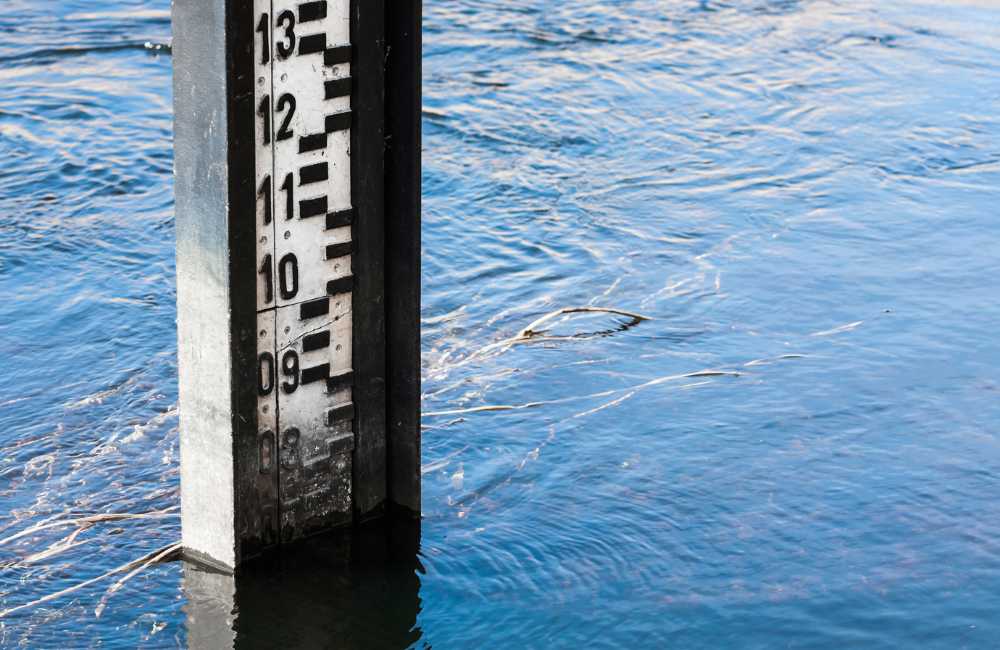
An electric float switch, or Float Switch, is a device used to detect liquid levels in containers or water tanks by utilizing the floating mechanism of a float ball. It automatically controls the opening and closing of electrical circuits when fluid levels change. Suitable for use with water pump systems, electric valves, or other alarm devices, its ability to instantly and accurately switch circuits makes it widely popular in both industrial and residential applications.
How Do Electric Float Switches Work?
The operation of an electric float switch relies on the floating mechanism of a float ball that responds to liquid levels. As water levels rise or fall, the float moves to predetermined positions where internal magnets interact with reed switches to open or close electrical circuits. This design allows for efficient and safe control of other systems, such as turning on pumps when water levels are low or closing valves when water levels are high, making Float Switches an essential component in liquid level automation systems.
How does an electric float switch work?
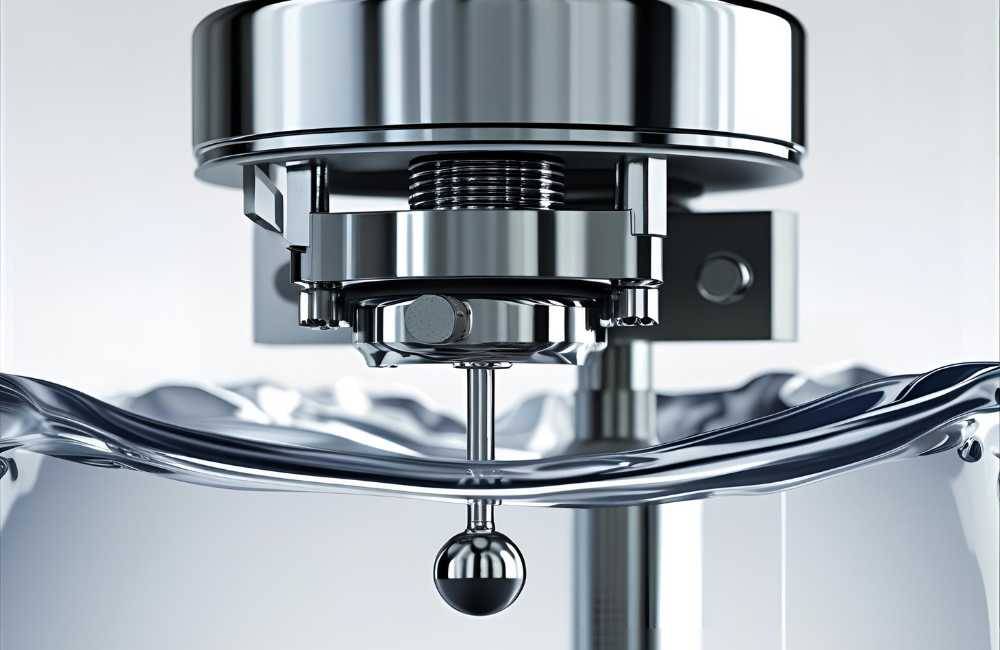
The internal circuit of an electric float switch has a special switching system that can be set to open or close the circuit based on liquid levels, using gravitational pull or magnetic force within the float to change the state of the reed switch. The choice of switching method depends on the application characteristics and desired safety level.
- Normally Open (NO): The circuit is normally open, and closes when the water level reaches a set point
- Normally Closed (NC): The circuit is normally closed, and opens when the water level rises to a preset level
- Reed Switch: Uses magnetic control for opening and closing of contacts inside the switch stem
The external weight of an electric float switch
To ensure accurate operation and positioning when installing a float switch, an external weight is often used to control the working angle of the float. The cable connecting from the weight to the float can precisely determine the on-off level of the switch, playing a crucial role in ensuring that the switch changes state at the correct point, especially for liquids with high movement or tanks with frequently changing water levels. Therefore, designing the weight is another important component in liquid level control systems.
How to Wire a Float Switch?
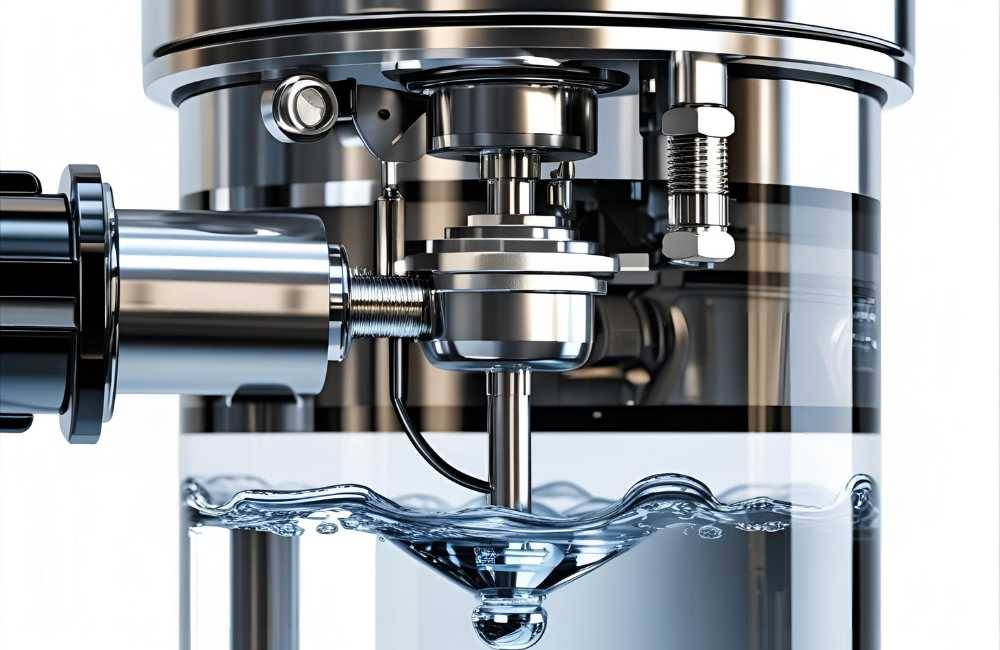
Proper wiring of a float switch is crucial for safety and system operation, especially in systems requiring precision such as water pump control or alarm systems. The wiring must align with the circuit settings to determine whether it will operate in NO (Normally Open) or NC (Normally Closed) mode.
- Wiring for NO (Normally Open): The internal wiring is open in the normal state and closes when the water level reaches a predetermined position.
- Wiring for NC (Normally Closed): The circuit is closed in the normal state and opens as the water level rises.
- Connect wires according to the product manual and check operation before actual use.
Materials of Electric Float Switches
The materials used in the production of electric float switches directly affect their durability and suitability for use in various environments. Typically, materials are chosen based on the properties of the liquid, such as pH level, temperature, or pressure that the float will come into direct contact with.
Float Switch Standard (Standard of Float Switch)
Safety standards for electric float switches, such as ATEX and CE IEC60730-1:2015, confirm their ability to prevent electrical shock, dust, moisture, or even explosions in high-risk areas. These standards also impact long-term reliability of use, especially in industries requiring high levels of safety.
Plastic Float Switch (Plastic Float Switch)
Float switches made from plastic materials such as PVC or PP are suitable for liquids with mild acidic or alkaline properties and are typically used at temperatures not exceeding 60 °C. These materials have low costs and light weight, making them ideal for general use in household water tanks or ponds and air conditioning systems.
Stainless Steel Float Switch (Stainless Steel Float Switch)
Float switches made from stainless steel are suitable for use in environments with high temperatures or corrosive chemicals, such as industrial wastewater or liquids used in food processing. Choosing stainless steel also helps to increase the lifespan and safety of the system.
Types of Float Switches
Float switches for controlling liquid levels come in various models to suit different applications. They are designed to accommodate a wide range of uses, including clean water, wastewater, or liquids with special properties. Each model has its own unique features.
FG-8 series
The FG-8 series is a cable float switch (Cable Float Switch) featuring a mercury switch, offering high accuracy. Made from high-quality ABS plastic, it is suitable for use with liquid tanks in factories and large equipment. It is designed to be durable, ensuring long service life and ease of use, particularly in industrial settings such as water treatment plants.
FG-9 series
The FG-9 series is a cable float switch (Cable Float Switch) featuring a microswitch, offering high accuracy. Made from high-quality ABS plastic, it is suitable for use with liquid tanks in factories and large equipment. It is designed to be durable, ensuring long service life and ease of use, particularly in industrial settings such as water treatment plants.
General Applications of Electric Float Switches
Electric float switches are widely popular for liquid level control both in households and industrial factories due to their versatility in installation and use across various types of equipment and environments.
- Used with water pumps in wastewater treatment ponds to prevent overflow or dry conditions
- Control the liquid level in rainwater tanks, drinking water tanks, or plumbing systems
- Used in food and beverage industries for filling or dispensing liquids
- Installed in industrial washing machines to automatically control the water level
Interested in purchasing electric float switches? You can now buy from SCMA!
SCMA is ready to servewith the distribution and installation of high-quality electric float switches in various models, catering to industrial applications and automation systems at all levels. We are experts in control systems who can provide advice on selecting appropriate equipment, offering services from product selection through float switch installation to after-sales care. With our experienced engineering team, SCMA is a trusted partner throughout every step of your liquid control system.
Summary
Electric float switches are essential fluid level control devices necessary for managing water systems in various industries. With their precise, durable, and safe operation, they are suitable for both residential and industrial use. If you need a comprehensive float switch solution, SCMA is the answer, providing reliable technology and services.
Frequently Asked Questions
What is a Float Switch used for?
Float Switches are primarily used to detect the level of liquid in tanks or reservoirs. They then activate electrical circuits to turn on or off various devices such as water pumps, valves, or alarm systems based on the position of the float and internal circuit settings.
What is a Floatless Switch Level Control System?
Floatless Switches are level control systems that use electrical measurement principles without relying on floats. They work by detecting the resistance of water at different levels to send control signals for various devices, suitable for applications requiring high accuracy and where mechanical float conditions are not favorable.
What is the difference between an Electric Float Switch and a Mechanical Float Switch?
While electric and mechanical float switches have similar purposes, they differ in several aspects:
- Electric Float Switch controls devices through electrical circuits and operates automatically.
- Mechanical Float Switch works manually or directly with mechanical force, without connecting to an electrical circuit.
- Electric Float Switch can be more accurately preset for operational levels.
How does a float system work?
A float system works by utilizing the buoyancy of the float inside the tank. When liquid level rises or falls, the float changes position and triggers an internal switch to automatically open or close electrical circuits. This design allows the control system to turn on water pumps or shut off valves according to preset liquid levels.