Laser distance meters, intelligent technology for accurate, fast, and safe distance measurement. Laser distance meters are excellent tools for construction, repair, and various activities in 2025.
Let's get to know laser distance meters better - what they are, what they measure, and how to choose the right one for your work. At SCMA we have great recommendations and select high-quality laser distance meters to meet all of your needs.
What are Laser Distance Meters? What do they do?
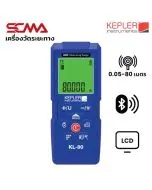
A laser distance meter or laser measuring meter is a device that measures the distance between two points with high speed and accuracy by using laser technology. The measurement starts from a reference point on the laser meter, which is the point where the laser beam is emitted, and ends at the point where the beam impacts the target surface, allowing for quick and accurate measurements without the need for traditional measuring tools like tape measures.
With modern laser technology, various types of distance measurement are possible, including direct distance measurement, area measurement, volume measurement, or even indirect height measurement. This makes them highly efficient tools for construction, surveying, and design work.
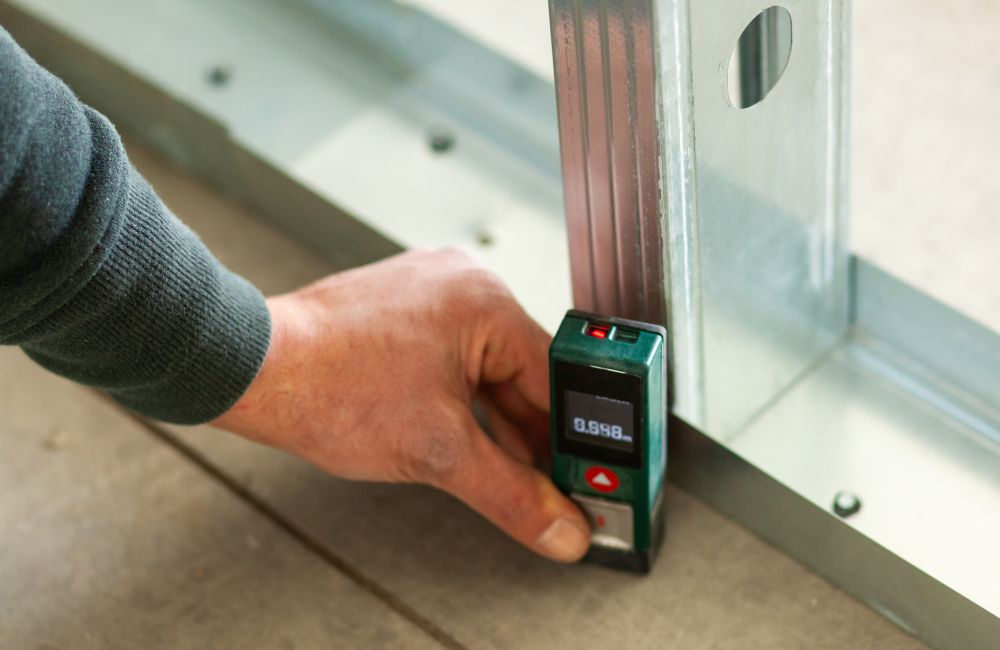
Benefits of Laser Distance Meters
A laser distance meter works by sending out a pulse of laser light to the target and measuring the time it takes for the light to bounce back. For distances up to 30 meters, accuracy is ±3 millimeters (depending on brand and model). With an internal processing system, it can add, subtract, calculate area and volume, as well as triangular measurements, making distance measurement possible even from a distance.
Compared to traditional tape measures, laser distance meters have several advantages: speed, accuracy, safety, versatility, convenience, and functionality. For ultrasonic measuring devices, although they share some similar features, they are less accurate than laser distance meters.
- Speed: Measure distances faster
- Accuracy: Provide accurate results to the millimeter level
- Safety: No risk in measuring dangerous areas
- Versatility: Can be used in various ways
- Convenience: Portable and easy to use
- Functionality: Built-in calculation functions
Types of Laser Distance Meters
Get to know the various types of laser distance meters that cater to diverse needs.
Point-and-Shoot Laser Meters
The most common and user-friendly type, simply point at the target and press a button to get an instant measurement. Ideal for everyday tasks such as home improvement and furniture placement.
Laser Tape Measures
An innovative take on traditional tape measures using laser technology for measurements, featuring digital displays and data logging functions. Suitable for those familiar with conventional tape measures but seeking the precision of laser technology.
Professional Laser Distance Meters
Advanced equipment designed for professionals in construction, real estate, and surveying fields. Offers longer range and higher accuracy measurements along with area and volume calculation functions.
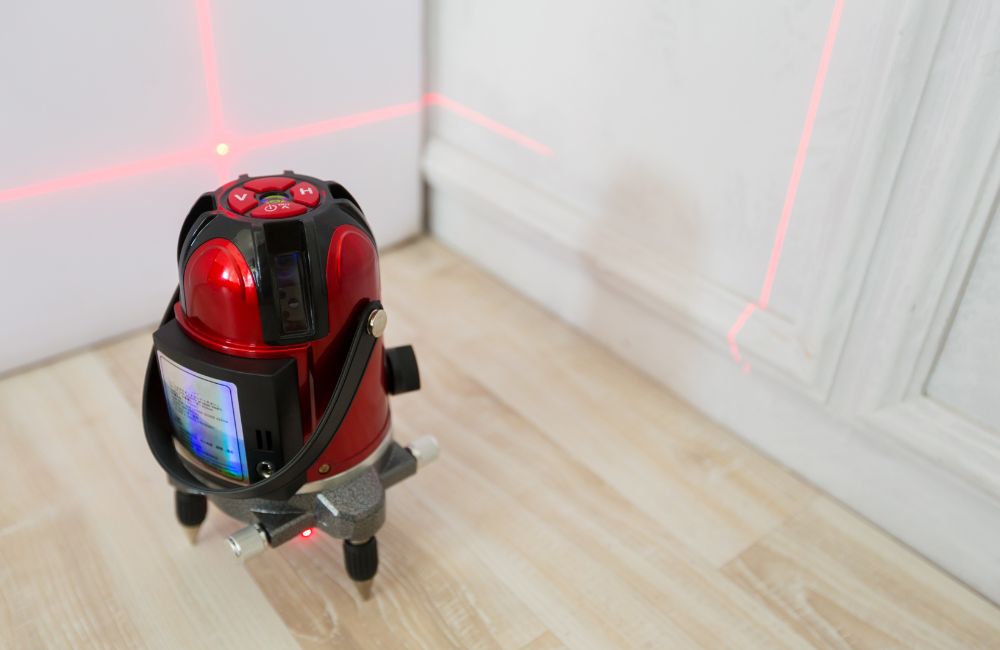
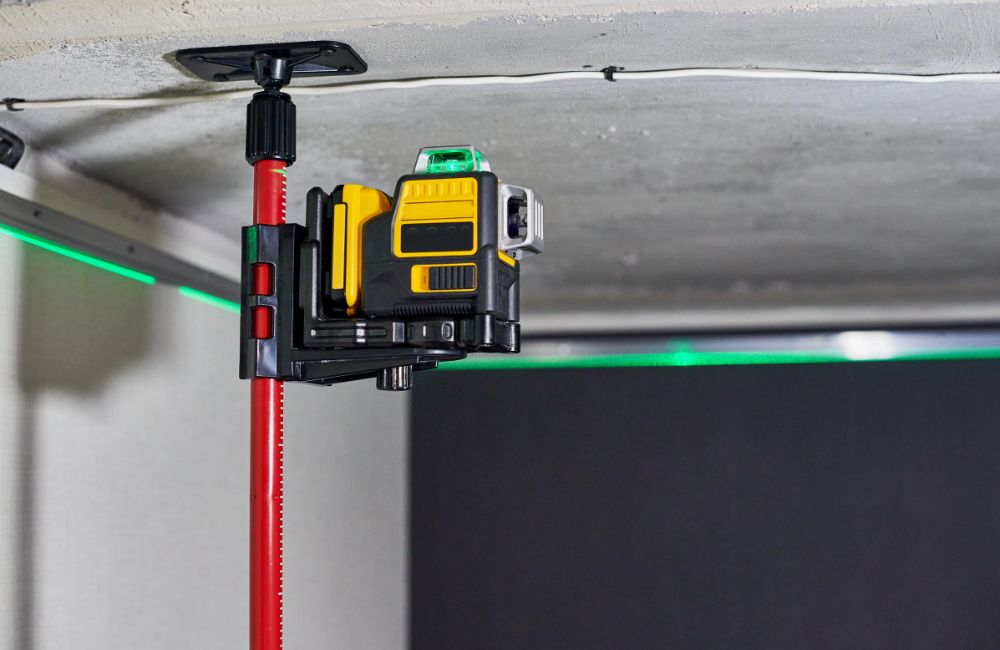
Laser Level with Ranging Function
Combines the ability to measure distances and create levels in one device, allowing for straight lines and distance measurement simultaneously. Ideal for construction workers, carpenters, and DIY enthusiasts.
Bluetooth Laser Distance Meters
Advanced with Bluetooth connectivity, enabling direct syncing of measurement data to smartphones or tablets. Suitable for professionals who need to integrate data into digital systems.
Laser Distance Meters for Outdoor Use
Designed to withstand various environmental conditions, featuring special features such as clear outdoor visibility and extended range measurements. Ideal for surveyors, construction workers, and field explorers.
What Should You Consider When Choosing a Laser Distance Meter?
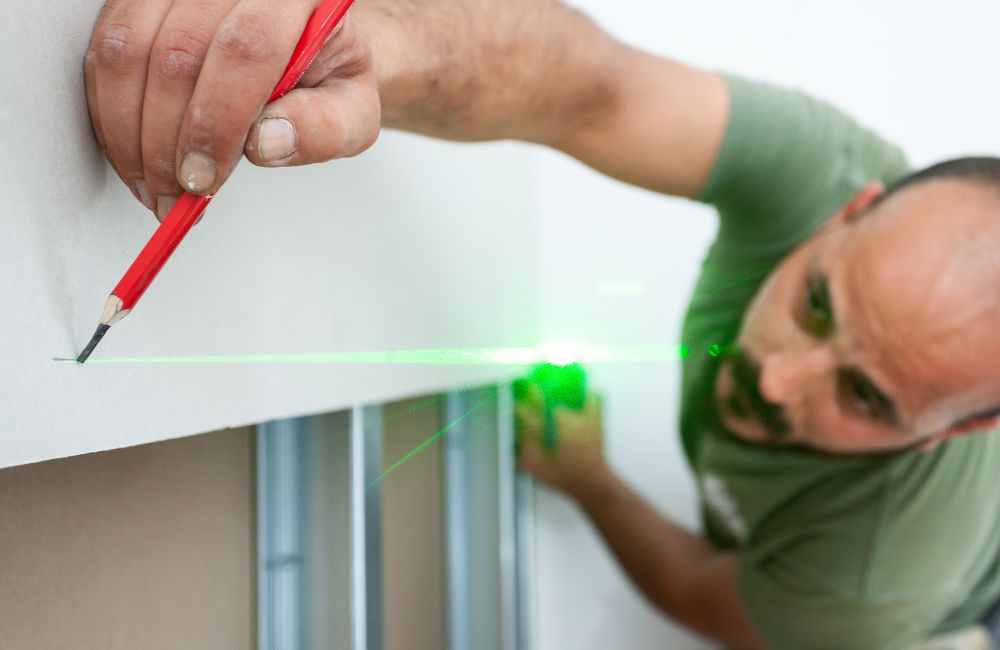
Choosing the color of the laser light in distance and level meters is a crucial factor that affects their performance, as the color of the laser light impacts visibility and measurement accuracy.
Green laser light is generally considered the best choice due to its high brightness and clarity, making it suitable for various environments. However, selecting the color of the laser light should take into account several factors:
- Usage Environment:
- Indoor/Outdoor use
- Lighting conditions of the area
- Weather and external light interference
- Measurement Distance:
- Near/Far distance
- Accuracy requirements
- Surface characteristics to be measured
- Budget:
- Green laser measuring devices are usually more expensive
- Consider the value of investment
- Frequency of use
Contact SCMA for Laser Distance Meter Inquiries
SCMA is an expert in measuring tools and high-quality inspection equipment, ready to advise you on selecting the appropriate laser distance meter for your needs. With professional experience, we have a team of specialists available to provide comprehensive consultation and after-sales service.
Summary
Laser measurement devices are highly efficient tools for distance measurement tasks. Choosing the right one can enhance work efficiency and accuracy. Carefully consider various factors before making a decision, and consult with experts to get equipment that best suits your needs.
Let SCMA help elevate your measuring work with high-quality laser measurement devices, complete with a 100% satisfaction guarantee.
Frequently Asked Questions
Before deciding to purchase or use a laser level, many people may have questions about its usage and features. We have compiled common questions with clear answers, along with useful advice for selection.
What can a laser distance meter measure?
A laser distance meter can measure distances, areas, and volumes in various applications such as measuring the height of buildings, calculating room area, interior decoration volume calculations, and surveying distances. Additionally, some models can also measure angles and inclinations.
How many lines should a laser level have?
Choosing the number of laser lines depends on the nature of the work, generally divided into:
- Single line: Suitable for basic tasks
- Two lines: Suitable for interior decoration work
- Three to five lines: Suitable for general construction tasks
- More than five lines: Suitable for high-precision work requirements
What should be used to measure distance?
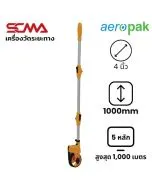
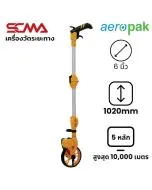
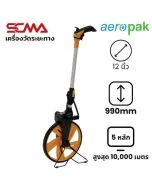
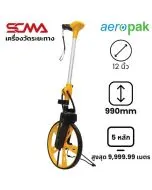
There are various types of tools available for measuring distances, ranging from traditional tape measures and wheel counters to highly accurate laser distance meters. The choice depends on the nature of the work and the required precision.
How many types of laser levels are there?
Laser levels can be categorized based on their usage:
- Point type: For reference point setting work
- Line type: For level and plumb line alignment work
- Rotating type: For large-scale construction projects
- Hybrid type: Combining multiple features in one device