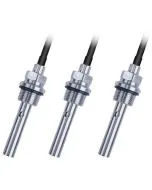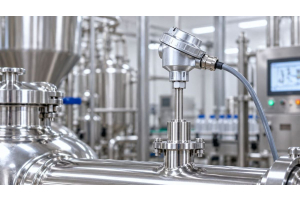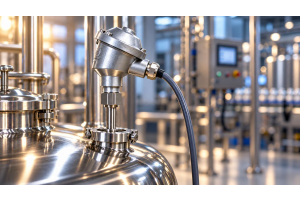
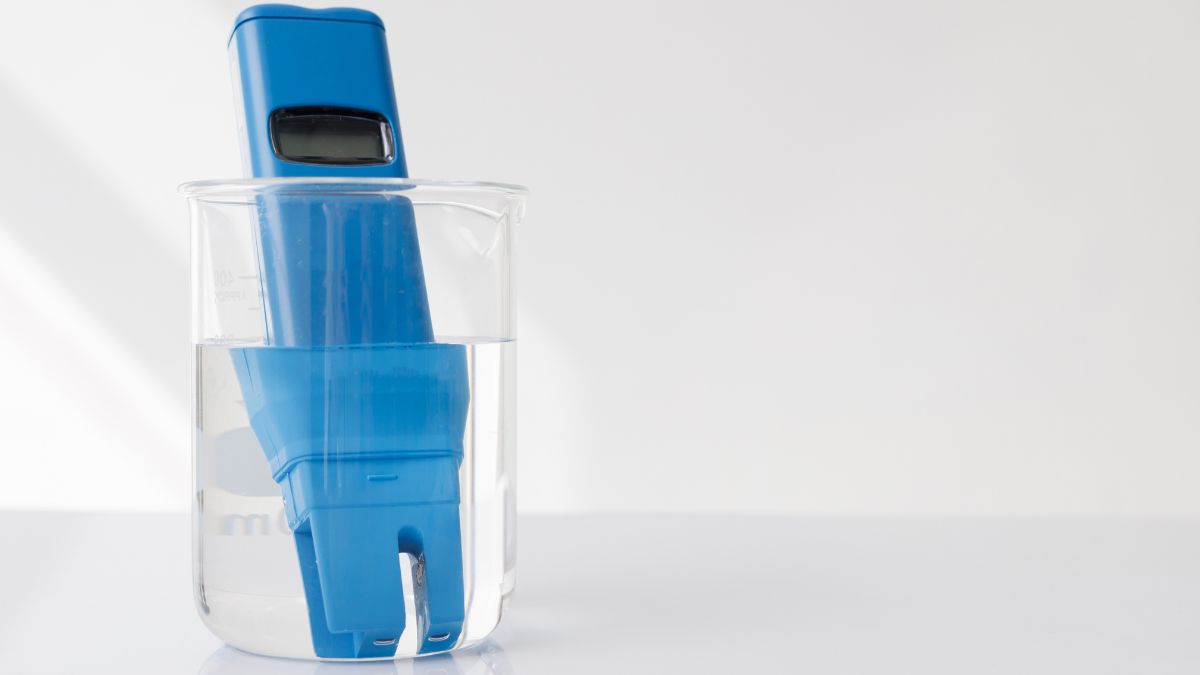
What is an Electrical Conductivity Meter or EC Meter?
The measurement of water's electrical conductivity (Electrical Conductivity, often abbreviated as EC) is a crucial step in improving water quality for environmental purposes, agricultural work, and plant growth. The tool used to measure this value is the Electrical Conductivity Meter, also known as the Water Electrical Conductivity Meter or simply EC Meter.
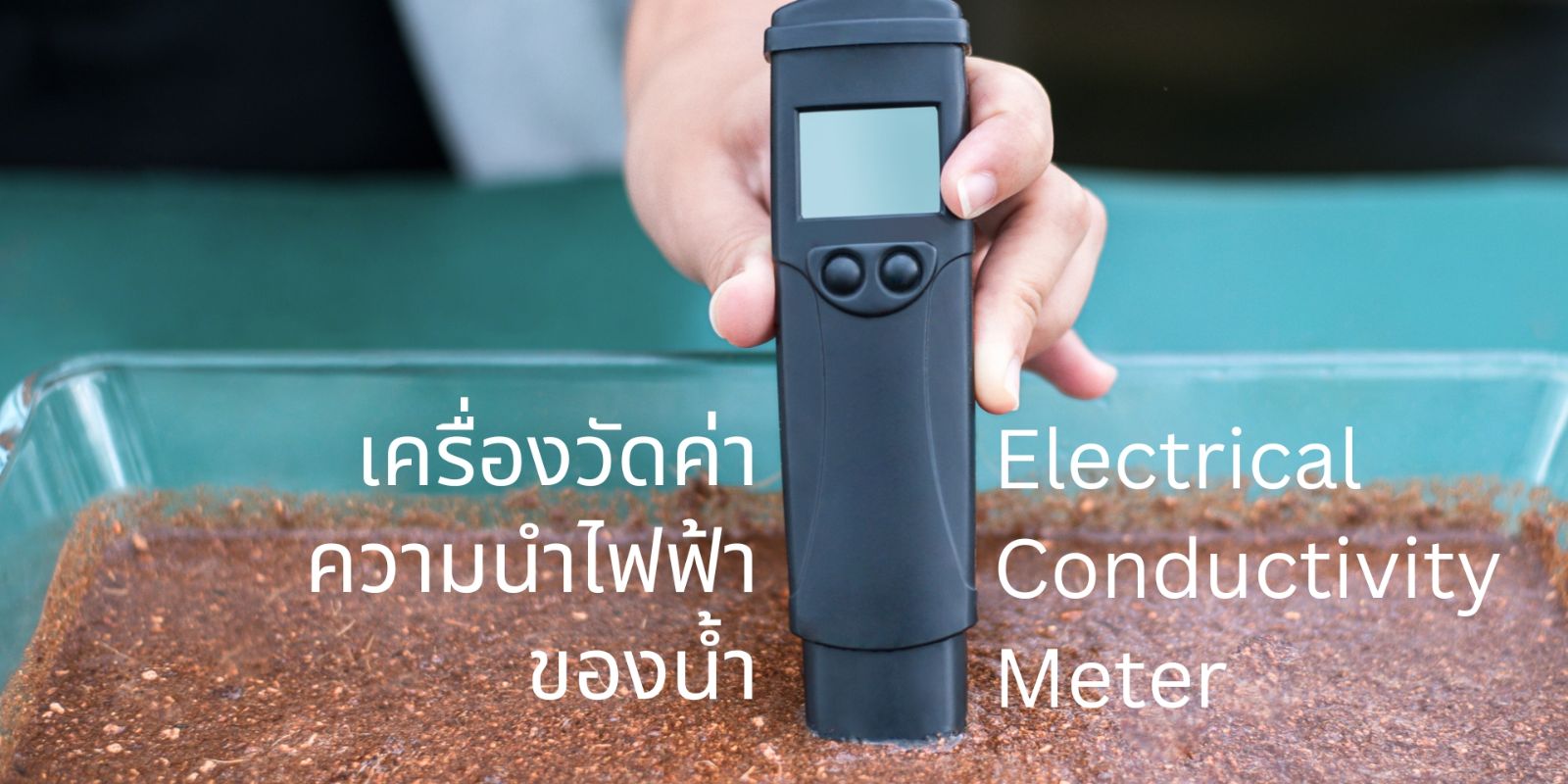
Details of the Electrical Conductivity Meter
The Electrical Conductivity Meter, or water electrical conductivity meter, is a crucial tool for improving water quality. Using this device helps personnel responsible for water quality improvement make informed decisions to enhance water conditions and environmental management more effectively.
The electrical conductivity of water plays an important role in many areas such as assessing water quality, agricultural water use, and various environmental analyses in water. Additionally, the electrical conductivity of water is also significant in scientific research and technology development related to water. Measuring this value helps us understand and improve water quality and usage more efficiently. The unit for measuring water's electrical conductivity (Electrical Conductivity) is commonly reported in mS/cm and µS/cm units, which are internationally recognized.
The ability of water to conduct electricity is typically measured using the Electrical Conductivity (EC) value, which measures the amount of electric current that can pass through water. Water with high electrical conductivity usually contains a large amount of dissolved substances such as sodium chloride (NaCl) or other salts; therefore, seawater often has higher electrical conductivity than freshwater due to its high salt content.
How an Electrical Conductivity Meter Works
An electrical conductivity meter measures the ability of water to conduct electricity by measuring either the current per unit area or the total charge in the water, and then displaying the result as a conductivity (EC) value on its screen. This is related to the amount of dissolved solids (TDS).
Units for Measuring Water Conductivity
The SI (International System of Units) unit for conductivity is Siemens per meter (S/m), indicating how well a liquid can conduct electricity. When looking at EC values in water or liquids, we generally find that natural waters such as rainwater, lake water, river water, etc., have low EC values (pure water does not conduct electricity and has an EC value of 0). As water becomes contaminated with pollutants or impurities, the conductivity (EC) of that water will change because dissolved substances increase its EC level. Therefore, water conductivity is a good indicator of pollution in water. However, it should be noted that contaminants such as salt in seawater cause very high EC readings due to the large amount of dissolved salts. When salt dissolves, it breaks down into ions (atoms with an electrical charge).
Although the SI unit is Siemens per meter (S/m), practical conductivity values in water are not usually very high, so microsiemens/cm (µS/cm) is commonly used instead. Conductivity increases as water temperature rises; therefore, water conductivity (EC) is often recorded at 25°C with both temperature and EC readings taken simultaneously. Other units for measuring EC include mS/cm or millisiemens per centimeter (1 mS/cm = 1000 µS/cm).
Types of Electrical Conductivity Meters
Water conductivity meters come in various types, which can be categorized based on their purpose and usage as follows:
- Portable Electrical Conductivity Meters: These are small, portable devices commonly used for measuring EC values of water in agriculture or general testing. They are easy to use and affordable.
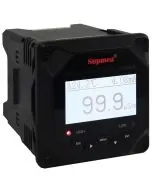
- Panel Electrical Conductivity Controllers: These are installed instruments used for measuring and controlling conductivity levels in agricultural greenhouse systems, industrial process water systems, wastewater control.
- Bench-top Electrical Conductivity Meters: Larger than portable devices, these are suitable for laboratory water quality analysis, research, and scientific work. They offer high accuracy and precision in measurements.
- Pen-type Electrical Conductivity Meters: These small, portable measuring tools are easy to use and inexpensive but may not have the same level of accuracy or measurement detail as other types.

How to Use a Water Conductivity Meter
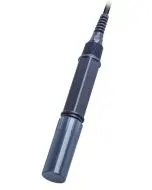
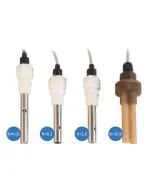
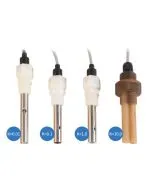
- Before using the EC (Electrical Conductivity) meter, prepare the equipment by connecting the probe sensor to the main unit.
- After turning on the device, prepare the water or solution that you want to measure for its EC (Electrical Conductivity).
- To measure Electrical Conductivity, immerse the probe sensor into the water or solution and wait until the displayed value stabilizes before reading it.
- Record the measured EC values at each point of the solution for analysis and decision-making regarding water quality improvement.
- After use, rinse the measuring head or probe with distilled water and dry it. It is recommended to store the probe in a dry state; however, if the probe can measure both pH and EC, it can be stored in preservation fluid.
Calibration
Before using an Electrical Conductivity meter, calibration should be performed with standard solutions at various concentrations as required by the user. Commonly used calibrations include single-point calibrations such as:
Calibrate at 84 µS/cm, 1413 µS/cm, 5000 µS/cm, 12880 µS/cm, 80000 µS/cm and 111800 µS/cm values that cover the measurement range of the user. This depends on the specifications and measuring range of the device; some devices may allow calibration at more than one point. Calibration ensures accurate and precise EC measurements.
Benefits of Using an Electrical Conductivity Meter
- Aids in improving water quality in agriculture by adjusting the balance of nutrients that plants require.
- Increases crop yield by ensuring a suitable environment for growth through controlling the EC value of water.
- Helps measure and control water quality, leading to improved environmental conditions.
- Serves as an important tool for improving modern agricultural production by emphasizing efficient and sustainable resource use.
The Water Conductivity Meter (Electrical Conductivity Meter or EC Meter) is a crucial tool in enhancing water quality. Using this equipment provides personnel responsible for water quality improvement with critical data to make decisions regarding water condition management and environmental efficiency.