
Industrial safety or workplace safety is a crucial aspect in driving the sustainability of industrial businesses. SCMA, as experts in factory safety systems, recognize the importance of preventing and mitigating various risks that may arise from working environments, which directly impact employees, assets, and production processes. Therefore, having safety measures in place is essential to protect everyone involved.
What is Factory Safety?

Factory safety refers to the absence of any danger during work operations within industrial plants, affecting both employees' physical and mental well-being as well as assets, machinery, and raw materials. It encompasses environmental conditions, tools, production processes, and working methods that adhere to safety standards and regulations, aiming to prevent accidents or unwanted incidents.
Why is Factory Safety Important?
Industrial factory safety is of utmost importance due to the numerous risks present in working environments, such as operating machinery, handling chemicals, or hazardous environmental factors. Ignoring or neglecting safety measures can lead to severe consequences, including employee injuries and loss of assets and lives, impacting productivity, morale, and organizational reputation.
What are the consequences of neglecting factory safety systems?

If factory safety systems are not given due importance, the consequences can be both short-term and long-term, including:
- Workplace accidents caused by unsafe working conditions such as injuries, disabilities, or even death of employees
- Damage to the organization's reputation and credibility for failing to ensure employee safety
- Substantial financial losses from production downtime, medical expenses, compensation, and damage repairs
- Employee stress and anxiety working in a risky environment, affecting work performance
- Legal issues that may result in fines or lawsuits due to actions causing severe harm to employees
What are the safety features in a factory?
The key components to consider when setting up a safety system in a factory include:
- Safety policies and regulations that comply with standards, laws, and various regulations.
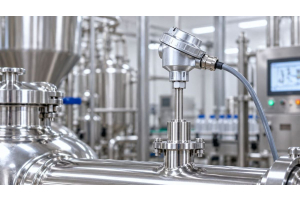
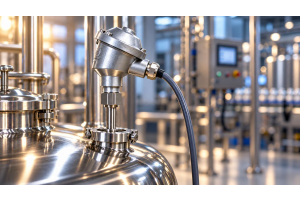
- Personal protective equipment (PPE) suitable for the nature of work such as hard hats, safety glasses, gloves, safety shoes, temperature measurement devices for measuring workplace temperatures Thermocouple temperature sensor
- Safety training for all levels of staff, from new employees to regular workers and management.
- Regular safety inspections of work areas, machinery, and equipment.
- Emergency preparedness plans and fire evacuation drills, including the installation of Fire Alarm System (fire alarm system)
- Employee health checks to prevent and monitor work-related illnesses.
4 Ways to Manage Safety in the Factory

To reduce unwanted incidents and maintain a safe working environment, the following practices should be implemented:
1. Establishing Safety Standards
Set safety policies and standards in writing for all employees to follow as guidelines, referencing relevant laws and regulations. Communicate these throughout the organization and establish metrics to evaluate success concretely.
2. Utilizing Technology
Modern technology plays a significant role in enhancing factory safety, such as AI systems and smart surveillance cameras that help monitor and detect anomalies in real-time. This includes machine malfunctions, the use of factory safety equipment, and warning signs of impending accidents, allowing for timely intervention to prevent issues.
3. Inspection and Follow-Up
Continuously inspect working conditions, including machinery operation, factory safety equipment, risk points, and accident reports, to identify opportunities for system improvement. Analyze all data to find the root causes and develop long-term preventive measures.
4. Continuous Communication and Training
Regularly communicate knowledge and conduct safety training for employees to raise awareness of its importance and ensure proper practices are understood. Promote a culture of safety through campaigns that encourage participation at all levels, ensuring continuity and sustainability within the organization.
If you are interested in security technology, SCMA is now available for purchase!
SCMA, a specialist company in industrial safety solutions and measurement tools, is ready to provide comprehensive consultation and installation of Safety systems in factories. With a team of expert engineers and high-quality products from leading global brands, SCMA offers metal detectors, heat sensors, factory Fire Alarm Systems (fire alarm system), which will help enhance safety standards and improve business efficiency.
Summary
Industrial plant safety is a matter that every organization must take seriously to prevent losses of life and property due to workplace accidents, and to promote efficient and happy work for employees. If you are looking for advice on improving factory safety standards, please inquire aboutSCMA's various services at any time. SCMA provides professional consultation, design, and installation to ensure your business is safe, secure, and ready for sustainable growth in the future.
Frequently Asked Questions
What is factory safety?
Factory safety refers to a working environment that is safe and does not cause harm to the health, body, or life of workers. It also ensures no damage occurs to machinery, equipment, and other assets within the factory. This encompasses environmental conditions, work processes, tools, and employee practices.
What is production safety?
Production safety involves preventing and controlling various hazards that may arise during the manufacturing process, such as using machinery, electrical equipment, chemicals, metal welding, high-temperature work, lifting operations, plant layout, walkways, air quality, lighting, and noise. It aims to prevent accidents or harm to workers, raw materials, and product damage.
What is safety under the Factory Act?
According to the Factory Act of B.E. 2535 (1992), employers are required to ensure that the workplace has a safe and hygienic working environment, promoting good health for employees. This includes preventing and reducing work-related accidents, injuries, and occupational diseases before, during, and after incidents occur. It also involves reporting procedures, compensation payments, and rehabilitation services for those affected.
What are the 5 aspects of safety?
- Safety management and occupational health - Implementing systems and mechanisms for safety management according to international standards.
- Work environment safety - Covering aspects such as buildings, machinery, lighting, noise, heat, dust, chemicals, signs, symbols, and fire escape routes.
- Personal protective equipment - Including clothing, shoes, gloves, goggles, hard hats, ear protectors, etc.
- Fire prevention and suppression - Preventing fires, installing alarm systems, fire-fighting equipment, and evacuation plans.
- Training and education - Continuously providing safety training to employees to raise awareness and ensure proper practices.