
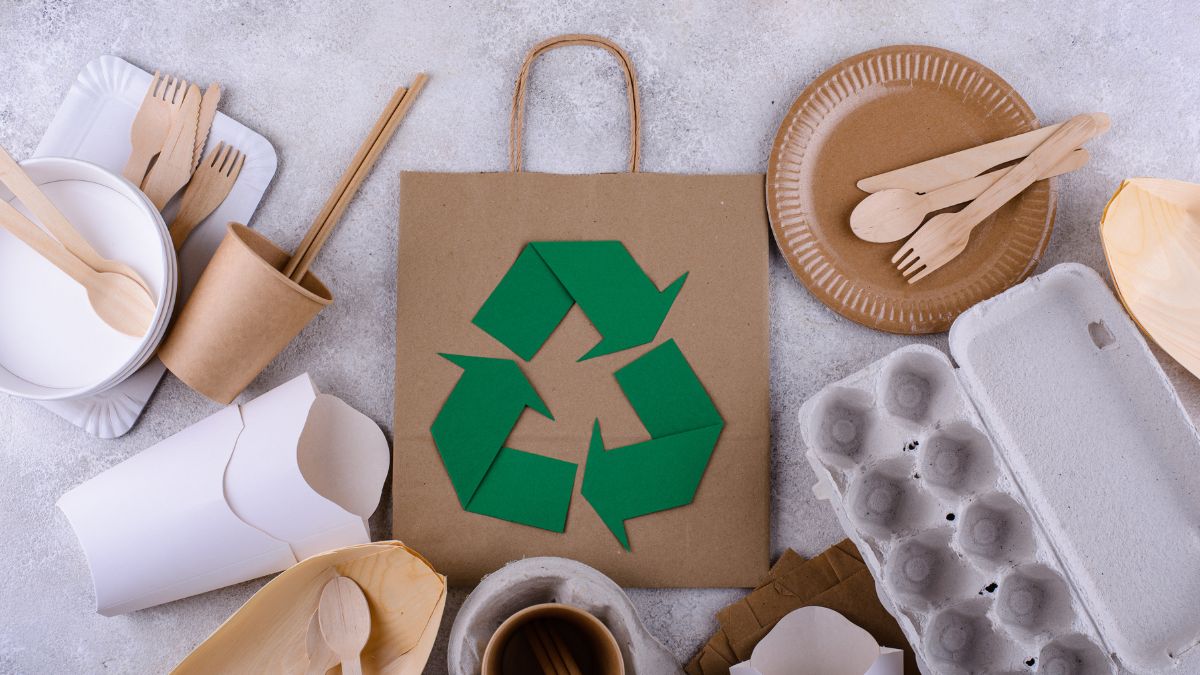
Food Grade — Cleanliness and Safety for Food
When it comes to food, taste is certainly an important factor in choosing what to eat. However, beyond flavor, many people also focus on the materials used to ensure freshness, nutritional value, and another crucial aspect is cleanliness, whether it's the food itself or packaging products. How can you be sure that your food is clean? You need to look at Food Grade standards. For those who are wondering what Food Grade means, SCMA will clarify this for you.

What is Food Grade?
Food grade refers to the standards or quality of materials or products that are suitable and safe for use in the food industry, having been certified as safe for use with food without releasing any harmful substances that could contaminate food or beverages. It is commonly used in the production of food packaging, kitchen tools, food processing equipment, and other items related to food preparation, storage, or packaging.
Food Grade Standards Levels
The standards for Food Grade come in various levels, and regardless of which agency they are from, you can be assured of safety. The following are the main ones:
- CODEX Standards: Developed by the World Health Organization (WHO) and the United Nations' Food and Agriculture Organization (FAO), these international standards cover food safety as well as materials that come into contact with food worldwide.
- FDA Standards: Full name is the U.S. Food and Drug Administration (FDA) standards, which are American standards used to define the safety of materials in contact with food such as plastics, metals, rubber, and other materials that may be used in food packaging or processing equipment.
- EU Standards: European Union (EU) standards set regulations concerning materials that come into contact with food (Regulation (EC) No 1935/2004) and require these materials to be safe for use with food.
- Japanese Standards: The Food Sanitation Law in Japan sets the standard for materials used in contact with food.
- NSF International Food Grade Standards: NSF International standards are another comprehensive safety certification standard covering materials used in the food and beverage industry.
- Private Organization Standards: For food safety management systems, including requirements for materials and products used in food production processes such as ISO 22000.

Materials Used for Food Grade
Materials used for Food Grade, whether it be general packaging or food industry equipment, come in various types to suit different usage scenarios and compatibility with various foods. The following materials are commonly used:
- Stainless Steel is widely used in the food industry due to its corrosion resistance, ease of cleaning, and non-reactivity with food. Stainless steel grades 304 and 316 are often used for tanks, pots, stainless steel sheets, and food processing equipment.
- Plastics are commonly used for producing packaging such as bottles, boxes, and food bags. They must be non-toxic types like Polyethylene (PE), Polypropylene (PP), Polycarbonate (PC), and Polyethylene Terephthalate (PET).
- Glass is another safe material that does not react with food and is suitable for liquid, beverage, and sauce packaging.
- Rubber is often used in seals, gaskets, and flexible water-resistant equipment to cover various foods.
- Ceramics are typically coated materials used to make plates, bowls, and kitchen utensils that come into contact with food during consumption.
- Aluminum is commonly used for producing canned food and beverages or certain types of cookware. It must be coated or treated to prevent reactions with food.
- Paper is often used as packaging for dry foods such as cereal boxes or fast-food packaging, but it needs to be coated or modified to prevent oil and moisture penetration.

By now, many people should have a clear understanding of what Food Grade is and the different standards it adheres to. Therefore, whether in large or small food industry operations, safe use of Food Grade materials can be ensured. Consumers can also confidently check for Food Grade certification on various packaging.