
“Why should you use an ORP meter in your water system?” This question is crucial for both water quality managers and process engineers, as a few millivolts (mV) can immediately indicate the effectiveness of disinfection and oxidation-reduction conditions. In this article, you will understand how ORP meters work, including options to choose from, usage methods, calibration procedures, and real reference standards. We also summarize common issues encountered and provide guidelines for selecting an ORP meter suitable for various applications ranging from swimming pools, wastewater treatment, to production processes.
What is an ORP Meter?

An ORP meter, also known as an ORP Meter, is a tool used to measure the oxidation-reduction potential of water in millivolts (mV). A positive ORP value indicates oxidizing conditions, while a negative value reflects reducing conditions. A good ORP meter should have high-quality electrodes, temperature compensation systems, and signal filtering circuits for stable readings in real-world applications. ORP meters are used in laboratories, field testing, and online installations to control processes in real-time.
What is the ORP Value of Water?
The ORP value indicates water's ability to oxidize or reduce other substances. While ORP numbers do not directly indicate chemical concentration, they serve as a measure of reaction tendency. With an ORP meter, you can immediately see the effects of chemical adjustments, such as when chlorine is added and the ORP rises into a safe range. In water quality systems, stable ORP readings help reduce unnecessary use of disinfectants, control costs, and enhance user safety.
Why are ORP Meters Important for Water Testing?
Measuring ORP is a quick way to assess the effectiveness of disinfection in drinking water, swimming pools, spas, and cooling towers. An ORP meter allows immediate practical decisions, such as adjusting chemical pumps when the ORP falls below control levels, reducing microbial risks in wastewater treatment systems. ORP indicates oxygen-depleted or oxygen-utilizing conditions, which are essential for controlling aeration tanks, sedimentation, and sludge recycling.
What are the Types of ORP Meters?

Selecting a type of ORP meter should be based on the application, required accuracy, and frequency of measurement. Generally, there are four main categories to consider for optimal precision, durability, and long-term value.
1. Benchtop ORP Meter
The benchtop ORP meter is ideal for laboratory work requiring high accuracy. It often features data logging systems and multi-point calibration capabilities. This type of ORP meter supports research, quality assurance, and process development. If you need to calibrate multiple samples under the same standard, a benchtop model will provide stable readings and easy variable control.
2. Portable ORP Meter
The portable ORP meter is suitable for field work, quick inspections in factories, wastewater treatment plants, ponds, or aquaculture farms. A good portable ORP meter should be durable, waterproof, shock-resistant, and have automatic temperature compensation. Choose a model with easily replaceable probes to minimize downtime and maintain accuracy during heavy use.
3. Pen-Type ORP Meter
The pen-type ORP meter is ideal for initial inspections or users who prefer convenience and cost-effectiveness. Despite being compact, the pen-style ORP meter should have some level of water resistance and be capable of sensor replacement to suit numerous on-site sampling points before confirming samples in a lab.
4. Online ORP Meter
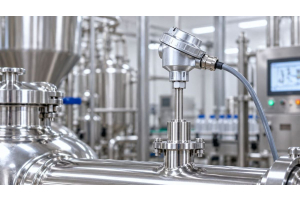
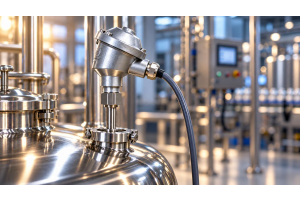
The online ORP meter is permanently installed on pipes or tanks for continuous 24/7 monitoring and can connect to PLC/SCADA systems. It's suitable for controlling automatic chemical pumps by setting ORP points to regulate dosing in a feedback loop. Proper probe selection, flow line configuration, and maintenance ensure the online ORP meter operates smoothly and reduces manual labor.
Calibrating ORP Levels in Water
Before each use, calibration with a standard solution is recommended to ensure accurate readings and minimize temperature or probe condition errors. Consistent calibration extends electrode life and ensures reliable recorded data for monitoring purposes.
- Select an appropriate ORP standard solution: Use commercial standards (e.g., Light's solution) with clearly specified standard values in mV for repeatable referencing
- Clean and prepare the measuring head correctly: Rinse with distilled water, shake to remove air bubbles, wipe gently; avoid scrubbing too hard as it can damage the electrode surface
- Submerge in the standard solution and wait for a stable reading: Wait until the value stabilizes before calibrating to reduce signal interference and temperature effects
- Record calibration temperature and time: Documenting environmental conditions aids traceability and future stability comparisons of the measuring head
- Determine calibration frequency based on usage: For heavy or wastewater applications, more frequent calibration is needed compared to lab environments with controlled conditions

How to Use an ORP Meter
Proper usage ensures reliable readings and extends electrode life, whether the meter is portable, pen-style, or online.
- Prepare equipment: Check batteries/power supply, probe condition, and confirm that it has been calibrated recently
- Collect/sample correctly: Submerge deep enough to fully immerse the measuring point; gently stir to remove air bubbles; avoid touching container walls
- Wait for a stable reading before taking measurements: In some conditions, longer wait times may be necessary (especially in water with high organic content); read values when the graph/number stabilizes
- Clean and store properly: Rinse with distilled water after each use; store the measuring head in the solution recommended by the manufacturer; do not allow it to dry out
- Systematically record data: Note ORP, temperature, pH, time, sampling point for trend analysis and process decision-making
Applications of ORP Meters
The application of ORP meters is wide-ranging, from potable water to industrial use. They are paired with pH/DO/EC for comprehensive quality control.
- Potable Water - Pools - Spas: Use ORP to manage disinfection (e.g., chlorine) within a safe range, reduce odors/red eyes, and comply with hygiene standards.
- Cooling Towers: Manage biocide addition using ORP to minimize biological fouling and scaling, control chemical costs.
- Wastewater Treatment: Monitor aerobic/anoxic conditions, manage aeration tanks/settling basins, and adjust reductant/oxidant dosages.
- Food/Checmical Manufacturing Processes: Track ORP for formula consistency, reduce quality fluctuations, and create compliance documentation.
Read Article>>> What is an ORP Meter? How to Use It? Why Is It Important?
If You Are Looking for High-Quality ORP Meters, Think SCMA!
If you are looking for a high-quality ORP meter that meets your needs, think of SCMA. We offer comprehensive services including selection and installation of ORP meters and electrodes suitable for your water conditions, online system integration with PLC/SCADA, engineering team to set control parameters, SOP calibration procedures, and hands-on training to minimize downtime and enhance system availability. Contact SCMA for consultation, on-site inspection, and recommendations for ORP meter models that fit your budget and standards.
Summary
An ORP meter is a tool that measures mV levels indicating the oxidation-reduction state of water, aiding in disinfectant dosing decisions and process control. Proper use and regular calibration can reduce long-term costs. For a confident start, choose equipment and installation from experts for safe and verifiable systems. SCMA offers full-service solutions including consultation, installation, training, and support. Contact our engineering team today.
Frequently Asked Questions
What is ORP Value?
The ORP value is the voltage relative to a reference electrode, reflecting the oxidation-reduction tendency of water. It is measured in millivolts (mV). An ORP meter reads this value to assess disinfection efficiency or the chemical condition of the water system. Higher positive values generally indicate an oxidizing environment, while more negative values suggest a reducing environment.
What are the Units for Measuring ORP?
The standard unit is millivolts (mV), indicating voltage relative to a reference electrode. A good ORP meter automatically compensates for temperature and filters signals to ensure stable mV readings. Recording mV values alongside temperature and time helps in accurately analyzing trends.
What are Standard ORP Values?
The reference value depends on the application; general disinfection or pools usually fall within several hundred positive millivolts, while oxygen-free systems may be negative. Use an ORP meter along with pH/DO to read context correctly; do not interpret solely from ORP alone. Organizations should set their own "control range" based on standards and process risks.
What Should the ORP Value of Drinking Water Be?
Generally, a positive range is used to confirm sufficient oxidation for disinfection (e.g., residual chlorine). An ORP meter serves as a quick trend indicator but should be confirmed with other parameters and local standards. Set control values according to regulations and expert on-site recommendations.
What Should the ORP Value of Wastewater Be?
In aeration tanks, positive ORP values are typically required; for oxygen-free processes (anoxic/anaerobic), values often drop or become negative. Use an ORP meter to track trends alongside DO/NOx to control degradation efficiency and odor reduction. Clearly defined control ranges help mitigate fluctuations and chemical waste issues.