
SPECIAL PROMOTION — Up to 40% off across many product groups, until 31 December 2026 · Click to see all promotion itemsIFM, Sensor, Automation SystemMeasuring / Testing InstrumentsTemp Indicator, Control, T/C, RTD, TimerHeater, SCR Control, Solid State, Power Supply, Control CabinetField Measuring Instruments, Pressure Gauge, Level Control, Flow MeasurementEMC, Pneumatic, Solenoid ValveInspection Test Lamp, Head Light, Automotive Measuring InstrumentWeighing Scales, Marking Machine, PrintersEducational Training SystemsHot Line Tools & Equipment SPECIAL PROMOTION — Up to 40% off across many product groups, until 31 December 2026 · Click to see all promotion itemsIFM, Sensor, Automation SystemMeasuring / Testing InstrumentsTemp Indicator, Control, T/C, RTD, TimerHeater, SCR Control, Solid State, Power Supply, Control CabinetField Measuring Instruments, Pressure Gauge, Level Control, Flow MeasurementEMC, Pneumatic, Solenoid ValveInspection Test Lamp, Head Light, Automotive Measuring InstrumentWeighing Scales, Marking Machine, PrintersEducational Training SystemsHot Line Tools & Equipment View promotion items View all
Temperature sensors
What are Temperature Sensors?
SCMA has been officially appointed as the sole authorized distributor of ifm in Thailand.
Temperature sensors are devices used to measure or detect temperature levels continuously in desired areas, for controlling heating or cooling processes. In addition to measurement, they can be integrated into computer systems to provide automatic control (Automatic Control) and alert the system immediately when temperatures deviate from set values.
Types of Temperature Sensors
- Thermistor is a type of semiconductor material that offers high accuracy and value for temperature measurement.
- RTD (Resistance Temperature Detector) operates similarly to the above type but has a wider temperature range, allowing it to measure extremely high temperatures.
- Thermocouple consists of two different metal wires connected at one end for measurement purposes. It requires a compatible measuring instrument to function properly.
- IR is an infrared temperature sensor that can measure without physical contact, offering great convenience and ease of use.
Why Choose ifm Temperature Sensors?
ifm electronic, a global brand specializing in the production and distribution of sensors for industrial automation systems, offers high-quality products with cutting-edge technology. This enhances efficiency and reliability in smart factories. The sensors feature IO-Link, crucial for developing intelligent industries, which improves manufacturing efficiency, reduces errors, and increases control accuracy to produce excellent quality products.
View the Temperature Sensors Catalog Click Here
Watch Temperature Sensors Video
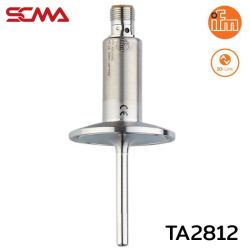 TA2812 \ effector 600 \ Temperature sensors \ TA-050CLEC01- - /US \ US \Special Price THB 8,925.00 Regular Price THB 11,900.00
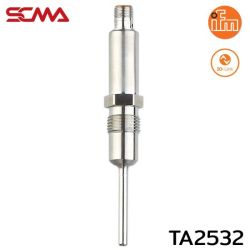 TA2532 \ effector 600 \ Temperature sensors \ TA-100CLER12- /US \ US \Special Price THB 9,675.00 Regular Price THB 12,900.00
 TA2415 \ efector 600 \ Temp sensor \ TA-050CLER12-A-ZVG/US \ USSpecial Price THB 8,475.00 Regular Price THB 11,300.00
Delivery: 30 ต.ค. 2569
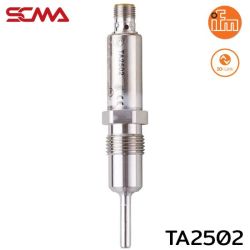 TA2502 \ effector 600 \ Temperature sensors \ TA-030CLER12- - /US \ US \Special Price THB 9,450.00 Regular Price THB 12,600.00
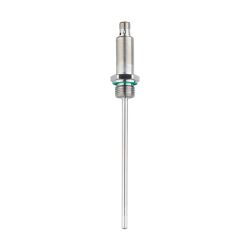 TA2445 \ effector 600 \ Temperature sensors \ TA-150CLER12-A-ZVG/US \ USSpecial Price THB 8,775.00 Regular Price THB 11,700.00
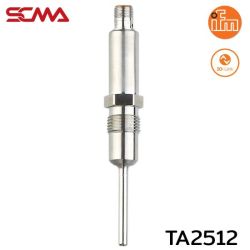 TA2512 \ effector 600 \ Temperature sensors \ TA-050CLER12- - /US \ US \Special Price THB 9,525.00 Regular Price THB 12,700.00
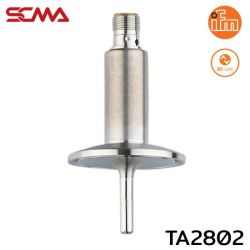 TA2802 \ effector 600 \ Temperature sensors \ TA-030CLEC01- - /US \ US \Special Price THB 8,850.00 Regular Price THB 11,800.00
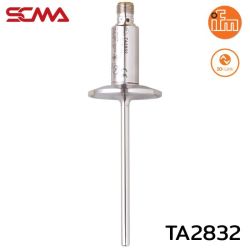 TA2832 \ effector 600 \ Temperature sensors \ TA-100CLEC01- /US \ US \Special Price THB 9,075.00 Regular Price THB 12,100.00
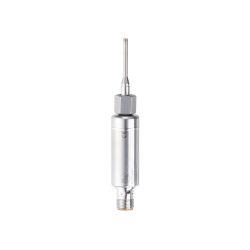 TA1612 \ effector 600 \ Temperature sensors \ TA-025C2EM81-A-ZVG/US \ US \Special Price THB 10,575.00 Regular Price THB 14,100.00
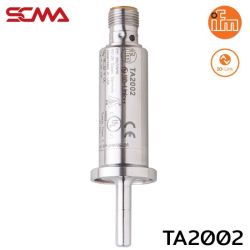 TA2002 \ effector 600 \ Temperature sensors \ TA-025CLEC34- - /US \ US \Special Price THB 8,850.00 Regular Price THB 11,800.00
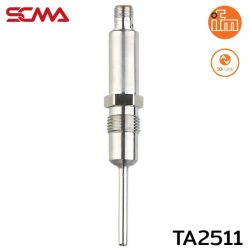 TA2511 \ effector 600 \ Temperature sensors \ TA-050CLER12- - /US \ US \Special Price THB 9,525.00 Regular Price THB 12,700.00
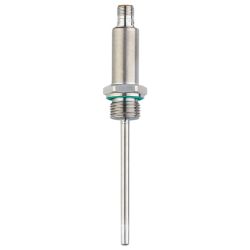 TA2435 \ efector 600 \ Temperature sensors \ TA-100CLER12-A-ZVG/US \ USSpecial Price THB 8,625.00 Regular Price THB 11,500.00
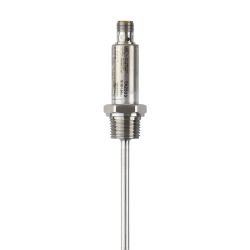 TA2333 \ efector 600 \ Temperature sensors \ TA-100FLEN12-A-ZVG/US \ US \Special Price THB 8,625.00 Regular Price THB 11,500.00
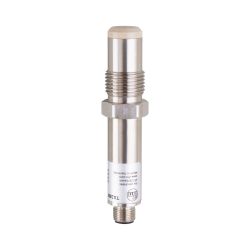 TA3597 \ effector 600 \ Temperature sensors \ TA-000KLER12- /US \ DESpecial Price THB 9,300.00 Regular Price THB 12,400.00
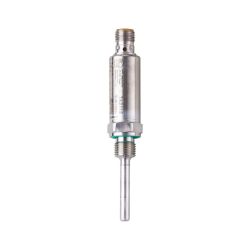 TA2115 \ effector 600 \ Temperature sensors \ TA-050CLER14-A-ZVG/US \ USSpecial Price THB 8,025.00 Regular Price THB 10,700.00
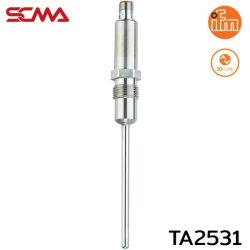 TA2531 \ effector 600 \ Temperature sensors \ TA-100CLER12- - /US \ US \Special Price THB 9,675.00 Regular Price THB 12,900.00
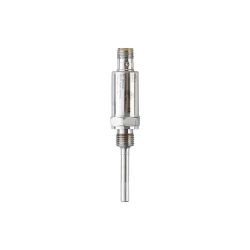 TA3115 \ effector 600 \ Temperature sensors \ TA-050CLEM14-A-ZVG/US \ USSpecial Price THB 7,950.00 Regular Price THB 10,600.00
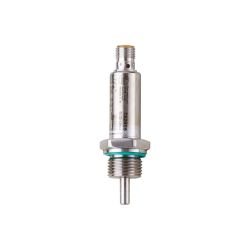 TA2405 \ effector 600 \ Temperature sensors \ TA-030CLER12-A-ZVG/US \ USSpecial Price THB 8,400.00 Regular Price THB 11,200.00
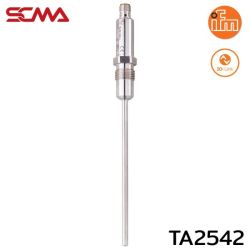 TA2542 \ effector 600 \ Temperature sensors \ TA-150CLER12- - /US \ US \Special Price THB 9,825.00 Regular Price THB 13,100.00
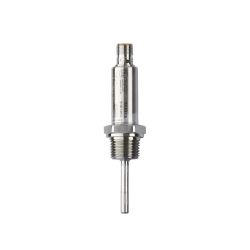 TA2313 \ effector 600 \ Temperature sensors \ TA-050FLEN12-A-ZVG/US \ US \Special Price THB 8,475.00 Regular Price THB 11,300.00
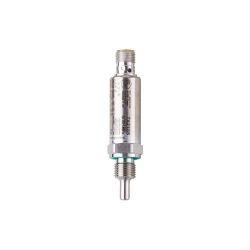 TA2105 \ effector 600 \ Temperature sensors \ TA-025CLER14-A-ZVG/US \ USSpecial Price THB 7,875.00 Regular Price THB 10,500.00
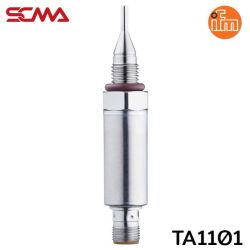 TA1101 \ effector 600 \ Temperature sensors \ TA-017C1EM12-A-ZVG/US \ US \Special Price THB 11,250.00 Regular Price THB 15,000.00
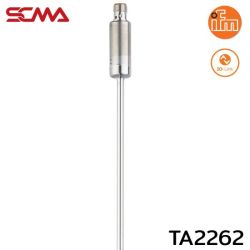 TA2262 \ effector 600 \ Temperature sensors \ TA-250CLED06-- /US \ US \Special Price THB 8,850.00 Regular Price THB 11,800.00
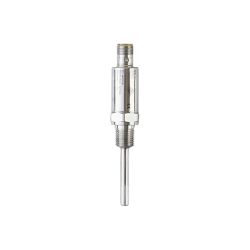 TA3317 \ effector 600 \ Temperature sensors \ TA-050CLEN14-A-ZVG/US \ USSpecial Price THB 7,950.00 Regular Price THB 10,600.00
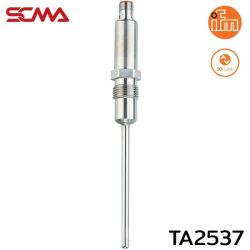 TA2537 \ effector 600 \ Temperature sensors \ TA-100CLER12- /US \ US \Special Price THB 9,675.00 Regular Price THB 12,900.00
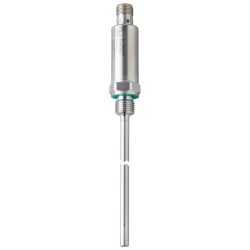 TA2135 \ effector 600 \ Temperature sensors \ TA-100CLER14-A-ZVG/US \ USSpecial Price THB 8,175.00 Regular Price THB 10,900.00
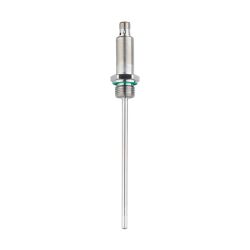 TA2447 \ effector 600 \ Temperature sensors \ TA-150CLER12-A-ZVG/US \ USSpecial Price THB 8,775.00 Regular Price THB 11,700.00
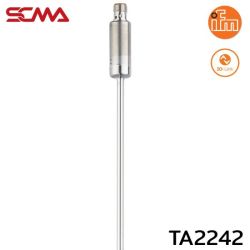 TA2242 \ effector 600 \ Temperature sensors \ TA-150CLED06- \ US \Special Price THB 8,550.00 Regular Price THB 11,400.00
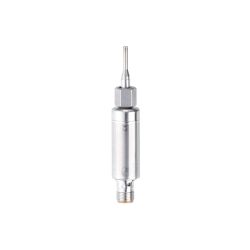 TA1602 \ effector 600 \ Temperature sensors \ TA-015C2EM81-A-ZVG/US \ USSpecial Price THB 10,575.00 Regular Price THB 14,100.00
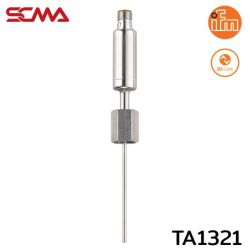 TA1321 \ effecter 600 \ Temperature sensors \ TA-083C1EM38-A-ZVG/US \ US \Special Price THB 11,250.00 Regular Price THB 15,000.00
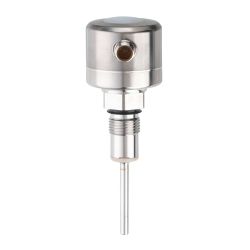 TCC511 \ effector 600 \ Temperature sensors \ TCC050K1ER12-A-DKG/US \ USSpecial Price THB 20,925.00 Regular Price THB 27,900.00
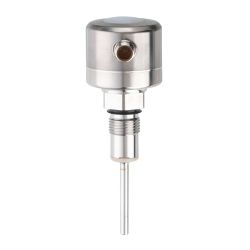 TCC541 \ effector 600 \ Temperature sensors \ TCC150K1ER12-A-DKG/US \ USSpecial Price THB 21,225.00 Regular Price THB 28,300.00
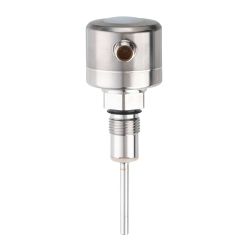 TCC531 \ effector 600 \ Temperature sensors \ TCC100K1ER12-A-DKG/US \ USSpecial Price THB 21,075.00 Regular Price THB 28,100.00
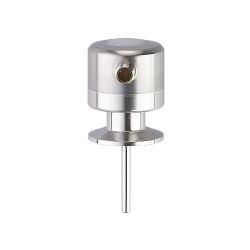 TCC811 \ effector 600 \ Temperature sensors \ TCC050K1EC01-A-DKG/US \ USSpecial Price THB 20,400.00 Regular Price THB 27,200.00
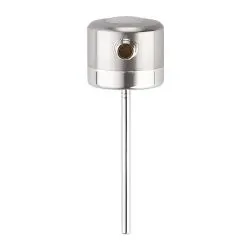 TCC231 \ effector 600 \ Temperature sensors \ TCC100K1ED06-A-DKG/US \ USSpecial Price THB 19,500.00 Regular Price THB 26,000.00
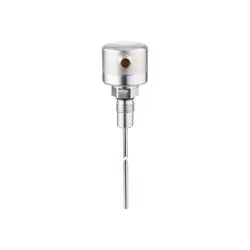 TCC551 \ effector 600 \ Temperature sensors \ TCC999K1ER12-A-DKG/US \ USSpecial Price THB 22,875.00 Regular Price THB 30,500.00
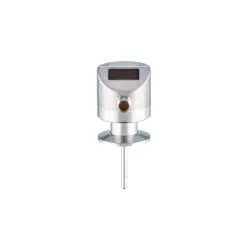 TD2811 \ effector 600 \ Temperature sensors \ TD-050CFEC01-A-ZVG/US \ USSpecial Price THB 11,925.00 Regular Price THB 15,900.00
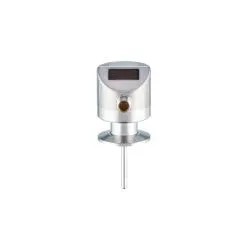 TD2837 \ effector 600 \ Temperature sensors \ TD-100CFEC01-A-ZVG/US \ USSpecial Price THB 12,075.00 Regular Price THB 16,100.00
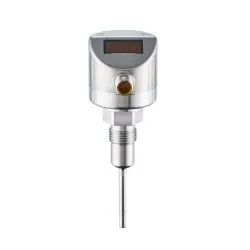 TD2511 \ effector 600 \ Temperature sensors \ TD-050CFER12-A-ZVG/US \ USSpecial Price THB 12,525.00 Regular Price THB 16,700.00
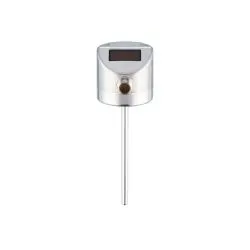 TD2261 \ effector 600 \ Temperature sensors \ TD-250CFED06-A-ZVG/US \ USSpecial Price THB 11,775.00 Regular Price THB 15,700.00
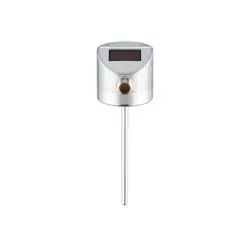 TD2241 \ effector 600 \ Temperature sensors \ TD-150CFED06-A-ZVG/US \ USSpecial Price THB 11,475.00 Regular Price THB 15,300.00
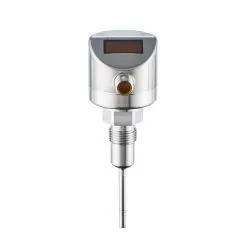 TD2517 \ effector 600 \ Temperature sensors \ TD-050CFER12-A-ZVG/US \ USSpecial Price THB 12,525.00 Regular Price THB 16,700.00
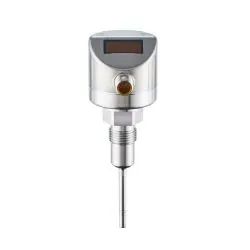 TD2501 \ effector 600 \ Temperature sensors \ TD-030CFER12-A-ZVG/US \ USSpecial Price THB 12,450.00 Regular Price THB 16,600.00
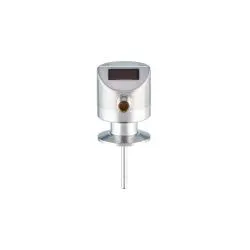 TD2831 \ effector 600 \ Temperature sensors \ TD-100CFEC01-A-ZVG/US \ US \Special Price THB 12,075.00 Regular Price THB 16,100.00
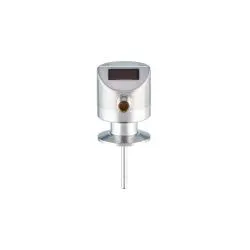 TD2841 \ effector 600 \ Temperature sensors \ TD-150CFEC01-A-ZVG/US \ US \Special Price THB 12,225.00 Regular Price THB 16,300.00
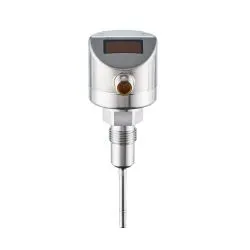 TD2541 \ effector 600 \ Temperature sensors \ TD-150CFER12-A-ZVG/US \ US \Special Price THB 12,825.00 Regular Price THB 17,100.00
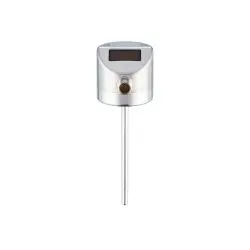 TD2231 \ effector 600 \ Temperature sensors \ TD-100CFED06-A-ZVG/US \ US \Special Price THB 11,325.00 Regular Price THB 15,100.00
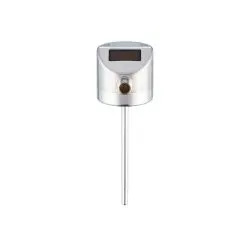 TD2211 \ effector 600 \ Temperature sensors \ TD-050CFED06-A-ZVG/US \ US \Special Price THB 11,175.00 Regular Price THB 14,900.00
What are Temperature Sensors? Understanding All Types and How They Work
Is your factory facing overheating issues that cause machinery to shut down (Overheat) or damage products due to inability to control temperature properly? These problems often start with selecting the wrong type of Temperature Sensors for the job. This article will delve into how each type of temperature sensor works and recommend the most accurate and cost-effective temperature sensors for your production line. Read more about the basics of Temperature Sensors here
What is a Temperature Sensor?
A temperature sensor is an important device that "feels" heat or cold and converts these physical values into readable electrical signals to be sent to a temperature monitoring system or controller in the production process. The temperature sensor acts like nerves watching over machinery so it doesn't work too hard, or helps control product quality to meet standards. Without this sensor or choosing the wrong type, downtime can occur which is costly. Learn more about Temperature Sensors in depth
Definition of a temperature sensor
In engineering, we define this device as a type of transducer that converts thermal energy into measurable electrical signals, either in the form of voltage or resistance to inform engineers about the current status of the system.
The role and importance in controlling production processes and quality
Temperature sensors are not just for "looking" at numbers but for "controlling" quality. Whether it's sterilization in the food industry, metal melting, or chemical reactions, every degree off means defects. Therefore, the sensor is the heart of on-site quality assurance (QA/QC).
Basic working principles of temperature sensors
The basic principle of a temperature sensor relies on the physical properties of materials that change when heated. Most temperature sensors convert these changes into electrical signals to be sent to PLC or controllers. Read more about industrial sensors
Converting temperature to electrical signals
When the temperature changes, materials inside the probe respond differently:
- RTD: Resistance changes with temperature (linearly)
- Thermocouple: Generates voltage (mV) from two different metals
- Thermistor: Resistance changes rapidly (non-linearly)
Differences between contact and non-contact sensors
- Contact Type: Must touch the object or immerse in liquid for accurate readings but responds slower.
- Non-Contact Type: Such as Infrared Sensor, detects heat from infrared radiation suitable for very hot objects or fast-moving items on a conveyor belt.
The most commonly used types of Temperature Sensors
Choosing the right sensor depends primarily on the job site. Engineers often get confused about which type to use, so we summarize the four main types that are frequently used. Details of sensor types
1. Thermocouple
Thermocouples are a popular choice for high-temperature jobs with limited budgets, working on the principle that two different metal wires generate voltage when heated (Seebeck Effect).
- Advantages: Can withstand very high temperatures (some models up to 1800°C), cost-effective, and resistant to vibration.
- Limitations: Less accurate than RTD
2. RTD (Resistance Temperature Detector)
If your job requires precision, go for an RTD, especially the Pt100 or Pt1000 models made from platinum, which work on the principle that resistance increases with temperature.
- Advantages: Extremely accurate and excellent long-term stability
- Limitations: More expensive than thermocouples, slightly slower response time.
3. Thermistor
This is the most sensitive temperature sensor to changes in temperature, divided into NTC (resistance decreases as it gets hotter) and PTC (resistance increases as it gets hotter).
- Advantages: Very fast response, cost-effective
- Limitations: Narrow temperature range (usually not exceeding 150°C)
4. Infrared Sensor
Or non-contact temperature detector, measures infrared radiation emitted from objects.
- Advantages: Instantaneous measurement (very fast response time), can measure at a distance safely
- Limitations: More expensive, readings may be inaccurate if the object's surface is reflective.
Comparison Table of Temperature Sensor Types
To provide a clear picture, we compare each type of temperature sensor in various aspects as follows (some data from Encardio Rite)
|
Type |
Temperature Range (Range) |
Accuracy |
Cost |
Response Time |
|
Thermocouple |
-200°C to 1800°C |
Moderate |
Low |
Fast |
|
RTD (Pt100) |
-200°C to 850°C |
High |
Moderate |
Slightly slower than thermocouple |
|
Thermistor |
-50°C to 150°C |
Very high (for small ranges) |
Low |
Fastest |
|
Infrared Sensor |
-20°C to 1500°C |
Moderate |
High |
Instantaneous |
Selecting the Right Temperature Sensor for Your Application
Before deciding to buy a temperature sensor or checking its price, you must answer these engineering questions:
Consider the temperature range you need to measure
If measuring iron furnaces at over 1000°C, high-temperature probes like Thermocouple Type K or S are suitable. For cold rooms, RTD is better.
The accuracy required for your job
For work that cannot afford to be off by even 0.1°C (e.g., medicine or labs), choose RTD only. For knowing if machinery is overheating, a thermocouple suffices.
The installation environment
Is there vibration? Are there corrosive chemicals? Or do you need to use a core temperature probe to measure inside products? The environment dictates the sheath material needed.
Budget and overall cost
Don't just look at sensor price when buying. Consider lifespan and maintenance costs too. A cheap one that needs replacing monthly may be more expensive than a good one lasting three years.
Applications of temperature sensors in various industries
Temperature control sensors are embedded in almost every industry, here are some real-world examples:
Food and Pharmaceutical Industry
Uses temperature and humidity sensors to control quality storage (Cold Chain) and pasteurization processes that must be accurate by law.
Automotive Industry
Used in engine compartments for measuring coolant, oil temperatures, and temperature mapping to test air conditioning system efficiency.
Chemical and Petroleum Industries
Safety is paramount; uses explosion-proof sensors to control chemical reactions in reactors.
HVAC Systems and Smart Buildings
Used for temperature-adjusted systems (adjusting the system based on temperature) for energy savings in large buildings, controlling air conditioning and ventilation systems.
If you're looking for Temperature Sensors, think of SCMA!
We do more than just sell products; we are Technical Partners ready to assist on-site. If you need high-quality temperature sensors from global brands like ifm or Kyoritsu, or customized sensors, our team of experts is here to consult without risking ordering the wrong specs and waiting long because we have branches in Chonburi (EEC) and Lampang with stock available for immediate delivery. View all our products and services or browse the catalog
Summary
Choosing the right Temperature Sensors can reduce downtime and increase profits for your company. If you want confidence in both product quality and quick, accessible after-sales service, let SCMA take care of you. Contact us to inquire about our services
Frequently Asked Questions
Is calibration of sensors necessary?
Very important, even though the sensor is durable, its readings may drift over time. Annual calibration ensures accuracy according to ISO standards.
How long do Temperature Sensors last?
Depends on type and usage; RTDs can last years in normal conditions, but thermocouples in high-temperature furnaces may have shorter lifespans.
How do you know if a sensor is faulty or malfunctioning?
Look for abnormal fluctuations (fluctuate) or stuck readings, or check resistance with a multimeter against standard tables.
This website uses cookies
We use cookies to make the site work properly, to understand how it is used, and to show content that is relevant to you. You choose which types to allow; strictly necessary cookies are always on. Privacy Policy
🤖 AI Assistant
Ask about products, specs and replacement models
Hello 👋 Ask us anything — find products, compare specs, or troubleshoot.
🗑 Clear history